


Golfers have never been particularly shy about buying another gadget.
Rangefinder? Absolutely. GPS watch? Sure. Shot tracker? Throw it in the bag. Heart-rate monitor? Why not. Golf technology has spent the past two decades convincing players that virtually every problem on the course deserves its own piece of hardware.
The smartphone already started dismantling that philosophy. Now the smartwatch may finish the job.
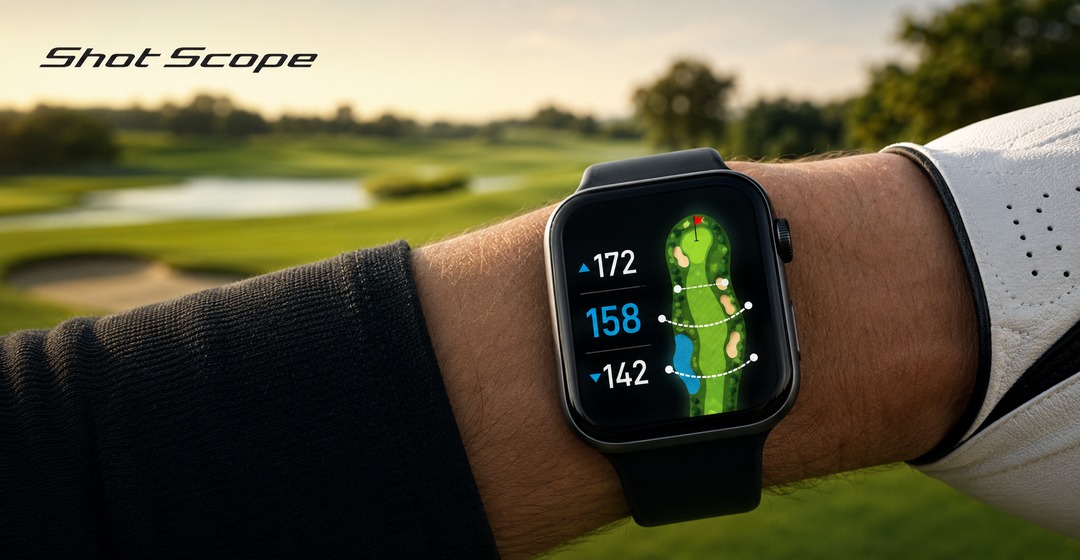
Shot Scope's launch of its first native Apple Watch golf app this August is interesting not simply because another golf company has arrived on Apple's wrist. It's interesting because of what the software can now do there: detailed GPS course mapping, hazard information, shot tracking and access to a performance ecosystem containing more than 100 statistics, including Strokes Gained and handicap benchmarking.
In other words, the Apple Watch isn't merely borrowing a few features from the dedicated golf watch.
It's beginning to make an argument that you may not need one.
Another Gadget Meets the Smartphone Problem
Consumer electronics history is littered with products that seemed indispensable right up until a more versatile device absorbed their primary function.
Remember carrying a digital camera? Or a Garmin GPS unit suction-cupped to the windshield?
There were MP3 players, handheld voice recorders, pedometers, alarm clocks and portable video players. None disappeared because they suddenly became bad products. They disappeared because consumers discovered that something they already owned could do the job well enough.
The smartphone became technology's great consolidator; the smartwatch is increasingly playing the same role on the wrist.
Golf presents a particularly interesting test case because dedicated golf watches remain very good. Premium models offer bright displays, long battery life, sophisticated course maps and interfaces designed specifically for navigating 18 holes. Golf Monthly's current 2026 gadget guide, for example, still rates Garmin's Approach S70 as its top golf watch.
But specialized hardware now faces an uncomfortable question; how much better does it need to be than the watch already on your wrist?
That's where Shot Scope's Apple Watch move becomes more important than another app launch.
The Wrist Is Becoming Valuable Real Estate
Shot Scope isn't putting a glorified scorecard on Apple Watch.
Golfers can see front, middle and back yardages, distances to hazards and overhead hole maps. The software allows users to tap locations for specific yardages and provides detailed green mapping. Meanwhile, shot tracking feeds the company's broader performance platform, where players can analyze more than 100 metrics after the round.
That's an enormous amount of golf intelligence migrating onto a general-purpose consumer device.
And Shot Scope isn't alone in seeing the opportunity. Golf GPS apps increasingly offer functionality that once justified buying specialized hardware, including detailed satellite imagery, shot tracking, club recommendations, augmented reality and AI-powered course strategy.
The battle isn't really over yardages anymore.
Everyone can tell you it's 164 yards to the middle of the green; the emerging competition is over what happens around that number.
What club should you hit? How have you historically performed from this distance? Where is the safest miss? How did today's round compare with golfers at your handicap? What tendencies have developed over the past three months?
Once that intelligence lives inside software, the physical device displaying it becomes considerably less important.
That's potentially bad news for companies whose primary advantage has historically been owning the hardware.
Golf Watches Aren't Dead Yet
Dedicated golf watches aren't about to disappear but there are good reasons serious golfers still prefer them.
Battery life matters during five-hour rounds. Physical buttons can be easier to operate than touchscreens in rain or while wearing a glove. Purpose-built displays remain optimized for sunlight. Some dedicated devices also integrate proprietary sensors and tracking systems that aren't easily replicated through third-party software.
Even Golf Monthly's current smartwatch guidance makes the distinction: golfers can absolutely use everyday smartwatches for golf, but dedicated golf watches can still provide the superior purpose-built experience.
That sounds familiar.
Standalone cameras didn't immediately vanish when smartphone photography became respectable. Serious photographers still buy them because specialized hardware can outperform general-purpose devices.
But the enormous middle of the market moved elsewhere and golf watches could eventually face the same squeeze.
The question isn't whether a $500 dedicated golf watch can outperform an Apple Watch running an app; it's whether the average golfer cares enough about the difference to wear—or buy—another watch.
Software Changes the Economics
There's another reason this transition matters; because software can evolve without asking golfers to purchase another piece of hardware.
A dedicated GPS watch traditionally improved through product cycles. Better screen. Better processor. New sensors. New model.
An app can gain meaningful new capabilities overnight.
Course maps improve. Algorithms change. New analytics appear. AI becomes more capable. Features that didn't exist when you bought the watch can arrive through a download two years later.
That fundamentally shifts innovation from the device manufacturer toward the software developer.
It also means golf companies can potentially reach enormous numbers of customers without manufacturing a watch at all.
Apple handles the screen, processor, battery, sensors, wireless connectivity and industrial design.
The golf company supplies the intelligence and that's a very different business.
The Best Golf Watch May Eventually Just Be Your Watch
Golf technology has spent years adding devices to the game; the next phase may be about eliminating them.
The rangefinder probably isn't disappearing tomorrow. Neither is the dedicated GPS watch. Specialized equipment will always appeal to golfers who want the best possible tool for a specific job.
But consumer technology tends to reward convenience relentlessly.
If the watch someone wears to work can track their workout in the morning, display messages at lunch and become a sophisticated golf GPS and performance tracker by 3 p.m., buying another device becomes increasingly difficult to justify.
That's what makes Shot Scope's move worth watching; the company hasn't simply built an Apple Watch app.
It's joined a much larger consumer-technology battle over whether specialized hardware can survive when general-purpose devices become good enough to replace it.
Golfers may still want another driver. Another putter is practically inevitable. But another watch?
Apple might already have that covered.
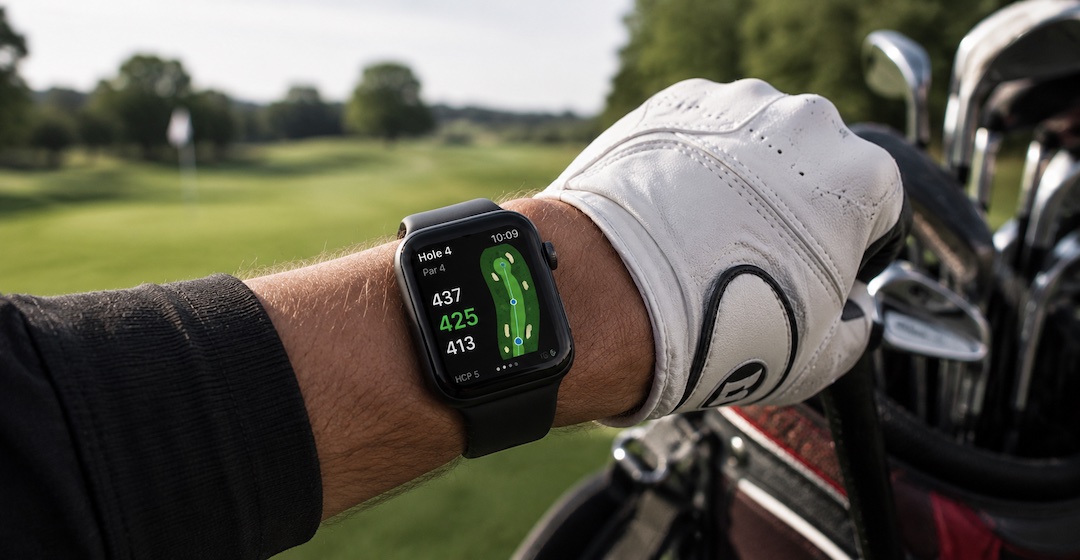
Your Apple Watch Is Coming for Your Golf Watch
Apple Watch is absorbing GPS, shot tracking and golf analytics, raising a bigger question: How long before golfers stop needing a dedicated golf watch?

· 1 month ago
Related Articles
Equipment
+2
Products
Technology
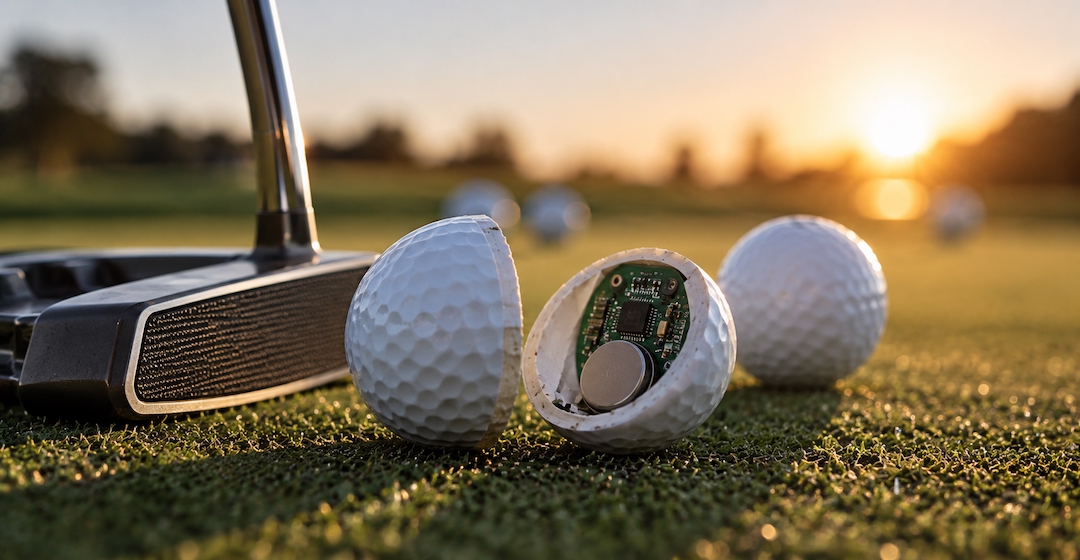
Golf's Next Computer Is 1.68 Inches Wide
Business
+2
Courses
Technology
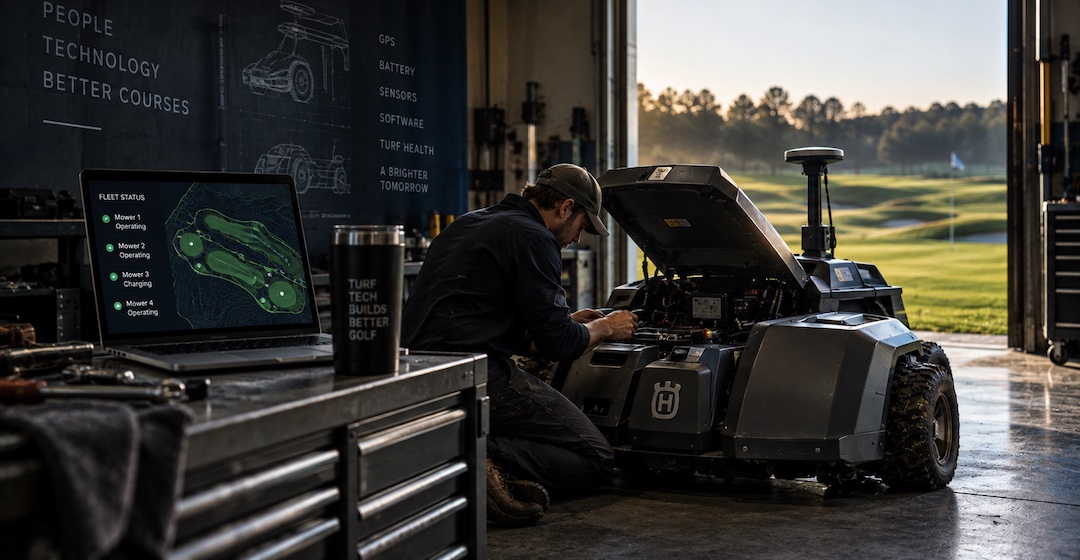
The Golf Course Mechanic Is Becoming a Robotics Engineer

Business

LIV Golf Cancels Season Finale, Concerts Amid Operational Breakdown
Business
+1
Technology

Golf's Next Employee Might Just Be an AI Agent

Courses
+2
Tournaments
Podcast

Duff Foreman Could Make History as First Known AI Broadcast Personality to Join a Live Professional Golf Broadcast
Clubs
+2
Equipment
Technology

Golf's "Weirdest" Putters Are Winning the Engineering War

Business
+3
Products
Technology
Tournaments

ParTab Partners with iGolf to Bring Course Intelligence to the Games Golfers Actually Play
Business
+1
Technology

Golf AI Is Learning What Your Scorecard Can’t Tell You

Business
+1
Tournaments

iGolf Partners with Skins Golf to Power Its All-in-One Competitive Golf Platform
Business
+1
Tournaments

LIV Golf Cuts Prize Money Following Cancellation of Team Championship
Courses
+1
Tournaments

Carden Park Secures Women's PGA Cup Hosting Rights

Business
+2
Courses
Tournaments

LIV Golf's Season Finale Plans Scaled Back Amid Uncertainty
Equipment
TaylorMade Adds Hi-Toe 5 Wedge to Growing Wedge Portfolio
Business
+2
Products
Technology
Your Apple Watch Is Coming for Your Golf Watch
Business
+1
Tournaments

LIV Golf's Bedminster Event Draws Trump, Surfaces Mystery Investor

Equipment
+1
Products
Titleist Equipment Wins 2026 Wyndham Championship with Michael Brennan
Business
+2
Equipment
Products
Callaway and Acushnet Report Q2 Revenue Gains Across Core Segments
Equipment
Kirkland Signature Golf Equipment Continues to Pressure Branded Club Manufacturers
Business
+1
Products

iGolf is excited to partner with ParTab
Equipment
+2
Products
Technology
Shot Scope Launches Native GPS App for Apple Watch