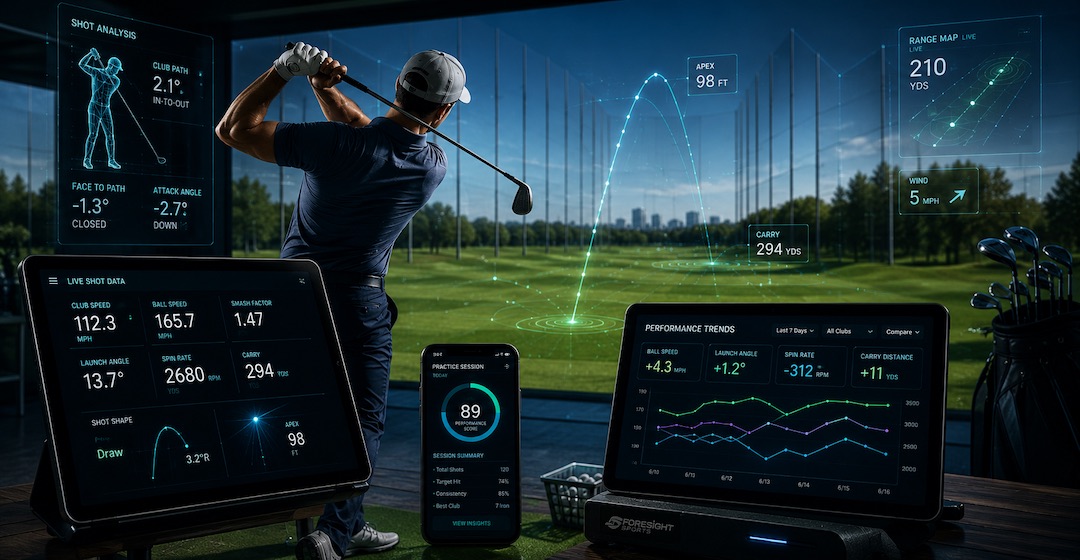








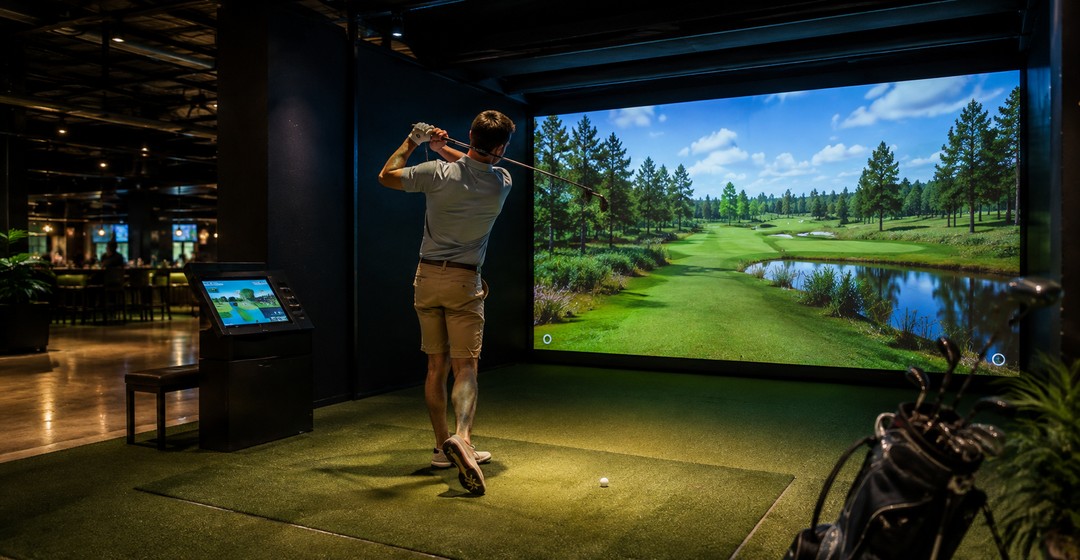
CityGolf USA is developing what it describes as America's first indoor 18-hole golf course, to be located in Nashville, Tennessee. The venue will house 18 sequential simulator bays arranged to replicate the flow of a traditional round, blending physical movement through a facility with virtual course play. The project represents a significant capital commitment to the simulator-based entertainment segment at a scale not previously attempted in the U.S. market.
The format differs from existing simulator bar concepts and multi-bay entertainment venues in one critical way: guests progress hole-by-hole through a defined sequence, mimicking the structure of an outdoor round rather than selecting individual bays for casual use. The venue is being built inside a warehouse-scale footprint, which gives the operator enough square footage to separate simulator stations and create distinct transitions between holes. The approach is aimed at golfers seeking a more structured, immersive experience than current indoor options provide.
For brands and operators watching the indoor golf segment, the Nashville project signals continued investment in formats that go beyond the lounge-and-simulator model that dominated the category's early growth. As consumer demand for golf participation outpaces tee time availability in many markets, indoor venues that can accommodate full rounds offer a functional alternative for golfers with time or weather constraints. The model also opens potential retail, sponsorship, and partnership channels for equipment and apparel brands looking to reach engaged golfers in a controlled environment.
CityGolf USA has not publicly disclosed a timeline for opening or detailed construction costs. Nashville's growing population and strong sports and entertainment market make it a logical test market for a concept of this scale. If the format proves commercially viable, it could serve as a replicable model for other mid-to-large metros where real estate costs and available warehouse inventory make similar builds feasible. Industry observers will be watching the venue's membership structure, throughput capacity, and pricing model as key indicators of whether the full-round indoor format can sustain itself as a standalone business rather than an ancillary amenity.