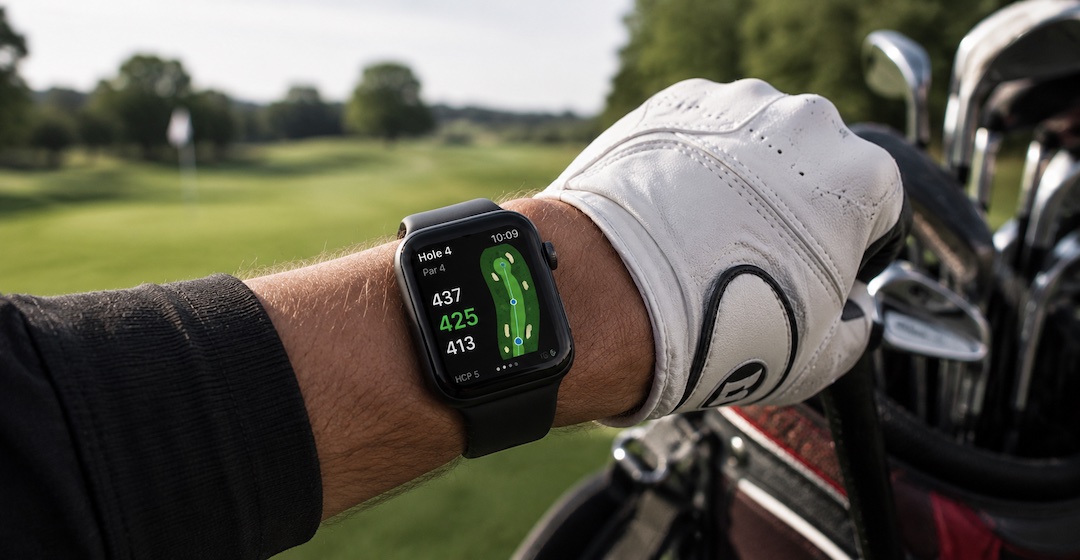









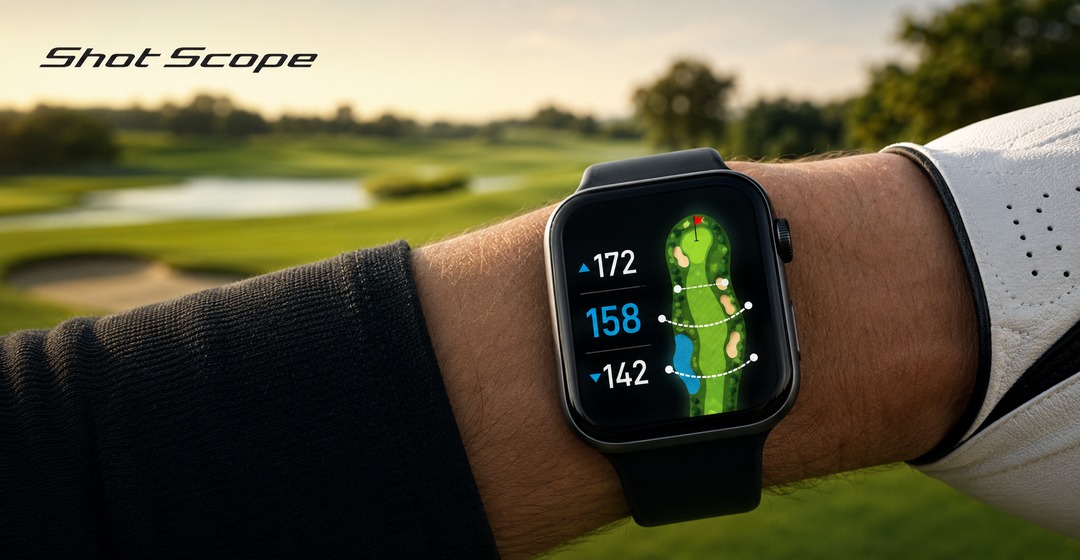
Shot Scope has released a dedicated GPS application for Apple Watch, marking the company's entry into the Apple ecosystem and significantly broadening the addressable market for its on-course tracking technology. The move allows golfers who already own an Apple Watch to access Shot Scope's GPS functionality without purchasing a proprietary device, lowering the barrier to entry for the brand's data platform.
For golf industry observers, the strategic implication is straightforward: Shot Scope is shifting from a hardware-dependent model toward a platform-first approach. By deploying on Apple Watch, the company gains distribution through an existing installed base of wearable users rather than competing solely at the point of device purchase. This positions Shot Scope alongside competitors who have pursued similar multi-device strategies, including Garmin and Arccos, both of which have established footholds in the Apple ecosystem.
The Apple Watch app is expected to deliver core GPS functionality including distances to the front, middle, and back of the green, hazard distances, and shot tracking — capabilities that form the foundation of Shot Scope's existing hardware lineup. Whether the app integrates fully with Shot Scope's cloud-based performance analytics platform, which differentiates the brand in the performance tracking category, will be a key factor in how much value it delivers to serious users and how effectively it converts free or trial users into paying subscribers or hardware customers.
For golf brands and retailers monitoring the wearable technology segment, Shot Scope's Apple Watch launch reflects a broader industry trend: GPS and performance tracking companies are increasingly treating software and platform access as primary products rather than accessories to hardware sales. Distributors, on-course retailers, and equipment buyers should note that the competitive landscape for golf wearables is expanding beyond dedicated devices. Shot Scope's move is likely to accelerate similar decisions among competing brands weighing the cost-benefit of native Apple Watch development against maintaining proprietary hardware margins.