

For decades, golf operations ran on instinct.
A superintendent checked the weather before deciding when to water fairways. A clubhouse manager adjusted tee sheets based on experience and gut feeling. Staff members answered phones, handled bookings and tried to keep pace with the daily rhythm of a golf course in motion.
It was a business built around people making constant micro-decisions.
In 2026, artificial intelligence is beginning to change that.
Not in the flashy, headline-grabbing way most people associate with AI. Golf courses aren’t suddenly filled with humanoid robots or fully autonomous maintenance fleets—at least not yet. Instead, a quieter transformation is taking place behind the scenes, where software systems are starting to manage everything from tee times and staffing to turf health and customer behavior.
Golf isn’t just adopting AI.
It’s becoming operationally dependent on it.
The shift is subtle, but it’s happening across nearly every layer of the industry. Courses are increasingly using algorithm-driven systems to optimize bookings, forecast demand and personalize communication with golfers. At the same time, maintenance teams are leaning more heavily on data-driven software to monitor irrigation, track turf conditions and reduce operational waste.
What once required intuition is gradually becoming automated analysis.
And for an industry that historically prides itself on tradition, the speed of that evolution is surprising.
One of the biggest catalysts is the sheer complexity of running a modern golf facility. A golf course isn’t just a sports venue anymore. It’s a hospitality business, a retail environment, a food-and-beverage operation and, increasingly, a technology platform all at once. Every moving part generates data, and AI systems are becoming better at interpreting that information faster than humans can.
That matters most in areas where small adjustments create major financial impact.
Tee-time management is one of the clearest examples. Traditionally, operators relied on static pricing models and manual scheduling decisions. But AI-powered systems can now analyze booking trends, weather patterns, player behavior and local demand in real time, dynamically adjusting availability and pricing much like airlines and hotels have done for years.
The tee sheet is no longer just a calendar.
It’s becoming a predictive engine.
Some systems can identify which tee times are most likely to go unfilled and automatically adjust rates to increase utilization. Others can detect patterns in customer behavior, helping facilities understand when golfers are most likely to book, cancel or spend additional money on food, merchandise or range sessions.
For operators, the goal is efficiency. For golfers, the experience becomes more personalized, even if they don’t realize it’s happening.
That invisible personalization is becoming one of the defining characteristics of AI in golf. Courses and golf platforms are beginning to use data to tailor communication, promotions and recommendations based on player habits. A frequent twilight golfer might receive targeted alerts for discounted late-afternoon rounds. A player who consistently practices on weekdays could be served simulator promotions or lesson packages during poor weather conditions.
The technology doesn’t just collect information.
It acts on it.
At the same time, AI is beginning to reshape golf course maintenance itself. Turf management has always involved a combination of science and intuition, but modern systems are increasingly replacing educated guesses with real-time environmental analysis. Sensors can monitor moisture levels, weather trends and soil conditions continuously, helping superintendents make more precise irrigation and maintenance decisions.
The result isn’t just healthier turf. It’s operational efficiency.
Water usage can be reduced. Maintenance schedules can become more targeted. Labor resources can be allocated more intelligently. And as environmental pressures continue to grow—especially around water consumption—those efficiencies become increasingly valuable.
This is where golf starts to look less like a traditional sport business and more like a modern technology ecosystem.
That transformation extends well beyond the golf course itself. AI is beginning to influence how fans consume the game, how players practice and how facilities communicate with customers. Simulator systems now deliver AI-driven coaching insights in real time. Wearable devices passively track player tendencies without requiring user input. Broadcasts are experimenting with predictive analytics and personalized viewing experiences.
Every layer of golf is becoming connected by data.
What’s interesting is how quickly the industry has moved from viewing technology as an enhancement to treating it as infrastructure. Ten years ago, golf tech largely meant gadgets—rangefinders, watches, launch monitors. Today, AI is becoming part of the operational backbone of the game itself.
And increasingly, the technology is becoming invisible.
The most effective systems aren’t the ones demanding attention. They’re the ones quietly working in the background, automating processes and optimizing experiences without interrupting the rhythm of the game. Golfers may never realize an AI system helped determine their tee-time pricing, personalized their booking offer or adjusted irrigation schedules overnight.
They’ll simply experience a smoother version of golf.
That subtlety may ultimately define the next phase of golf technology. The future isn’t just about more devices or more data. It’s about systems becoming intelligent enough to disappear into the experience itself.
Golf will still look like golf. Fairways, greens and tee boxes aren’t going anywhere.
But underneath the surface, algorithms are beginning to shape how the entire industry operates.
And in 2026, that shift is no longer theoretical.
It’s already underway.

Golf Courses Are Entering The Algorithm Era
Artificial intelligence is reshaping golf operations, powering smarter tee times, turf management and personalized experiences across the industry.

· 4 months ago
Related Articles
Business
+1
Technology
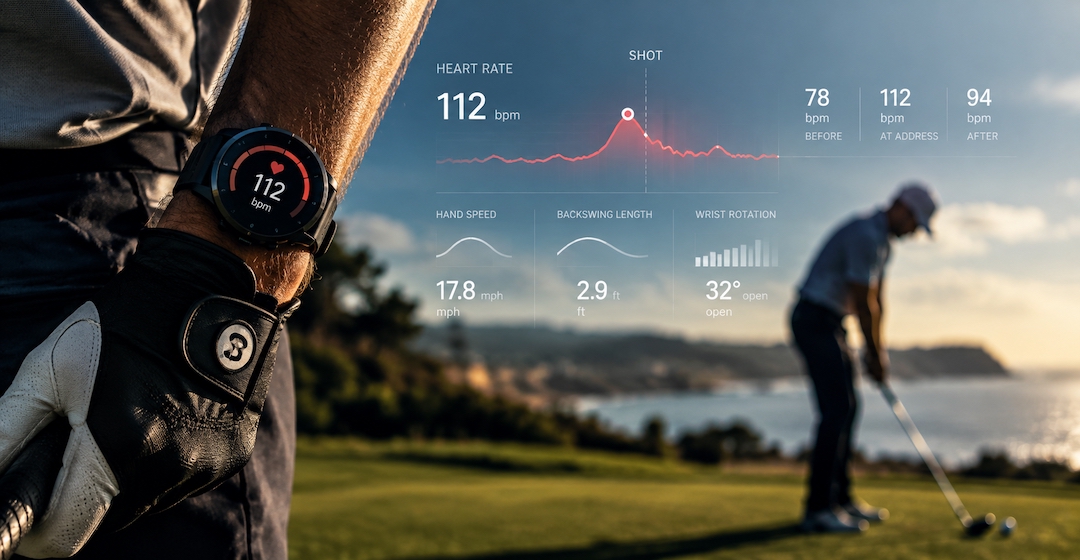
Golf Tech Is Starting to Measure the Shot Before You Swing

Clubs
+2
Equipment
Technology
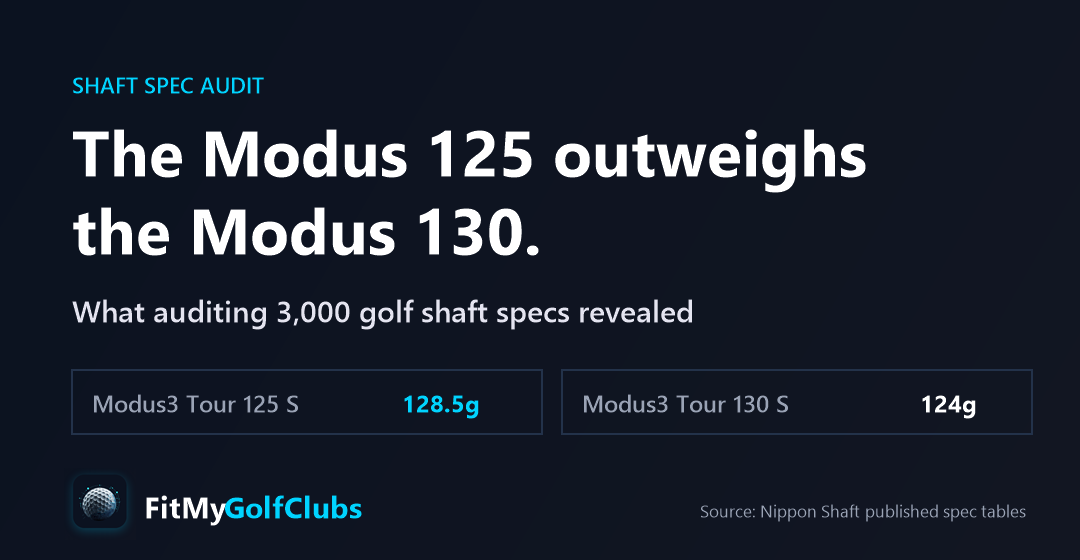
What Auditing 3,000 Golf Shaft Specs Taught Us About Weight
Business
+1
Technology

Golf Is Finally Getting Multiplayer Mode, Five Swings at a Time
Equipment
+2
Products
Technology

Golf's Next Computer Is 1.68 Inches Wide
Business
+2
Courses
Technology
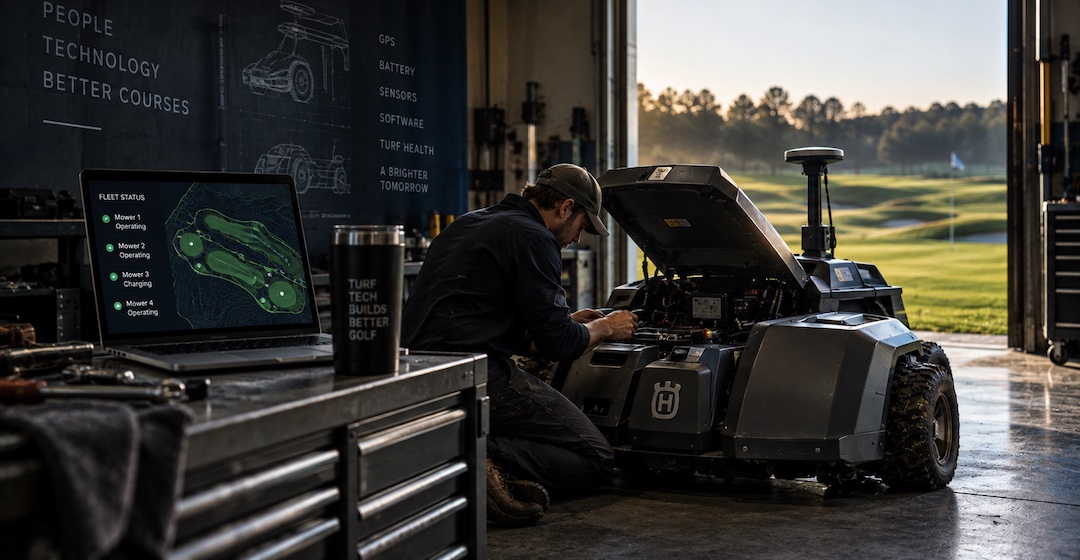
The Golf Course Mechanic Is Becoming a Robotics Engineer

Business

LIV Golf Cancels Season Finale, Concerts Amid Operational Breakdown
Business
+1
Technology

Golf's Next Employee Might Just Be an AI Agent

Courses
+2
Tournaments
Podcast

Duff Foreman Could Make History as First Known AI Broadcast Personality to Join a Live Professional Golf Broadcast
Clubs
+2
Equipment
Technology

Golf's "Weirdest" Putters Are Winning the Engineering War

Business
+3
Products
Technology
Tournaments

ParTab Partners with iGolf to Bring Course Intelligence to the Games Golfers Actually Play
Business
+1
Technology

Golf AI Is Learning What Your Scorecard Can’t Tell You

Business
+1
Tournaments

iGolf Partners with Skins Golf to Power Its All-in-One Competitive Golf Platform
Business
+1
Tournaments

LIV Golf Cuts Prize Money Following Cancellation of Team Championship

Courses
+1
Tournaments

Carden Park Secures Women's PGA Cup Hosting Rights

Business
+2
Courses
Tournaments

LIV Golf's Season Finale Plans Scaled Back Amid Uncertainty
Equipment

TaylorMade Adds Hi-Toe 5 Wedge to Growing Wedge Portfolio
Business
+2
Products
Technology
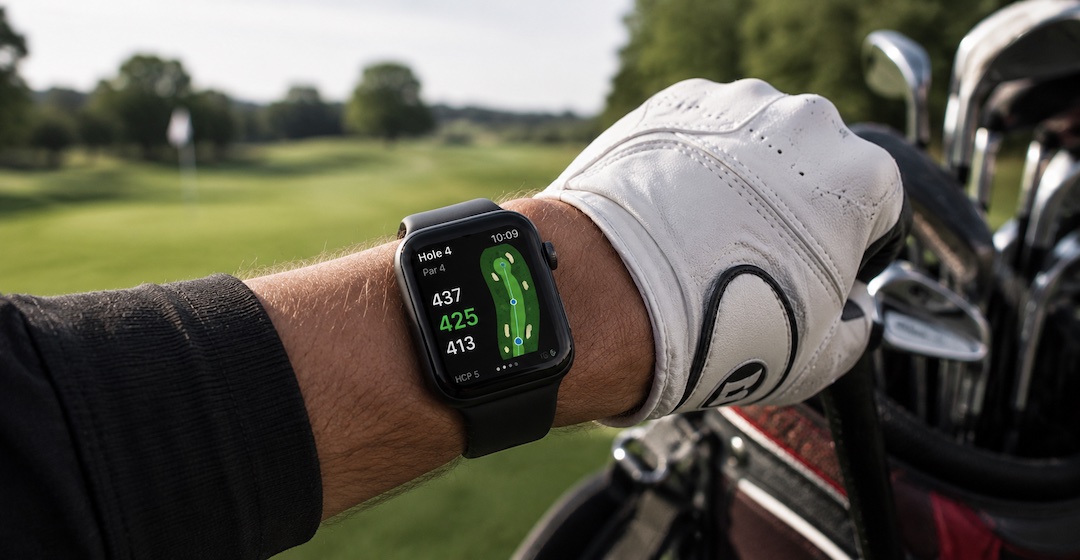
Your Apple Watch Is Coming for Your Golf Watch
Business
+1
Tournaments

LIV Golf's Bedminster Event Draws Trump, Surfaces Mystery Investor

Equipment
+1
Products
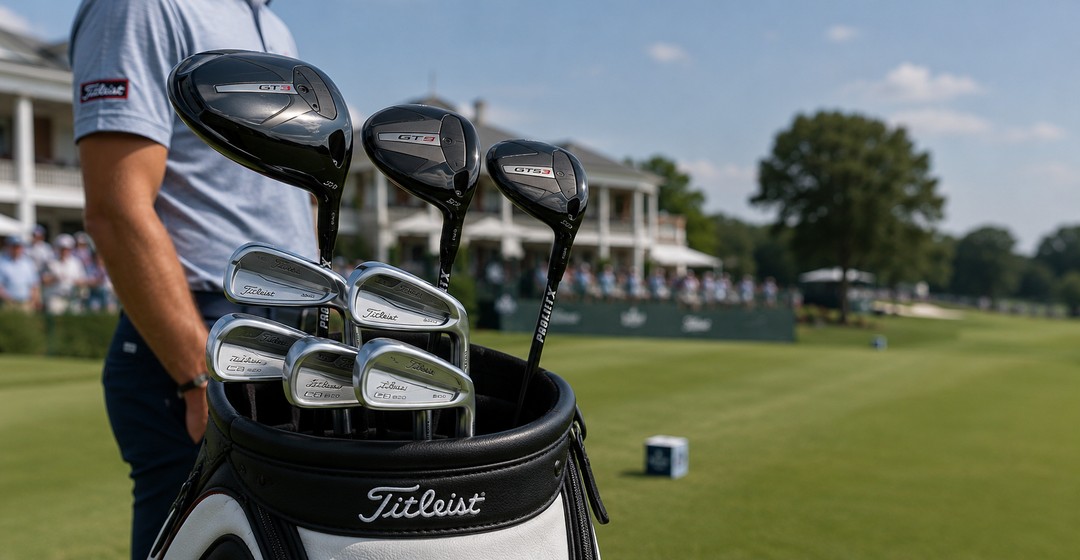
Titleist Equipment Wins 2026 Wyndham Championship with Michael Brennan
Business
+2
Equipment
Products
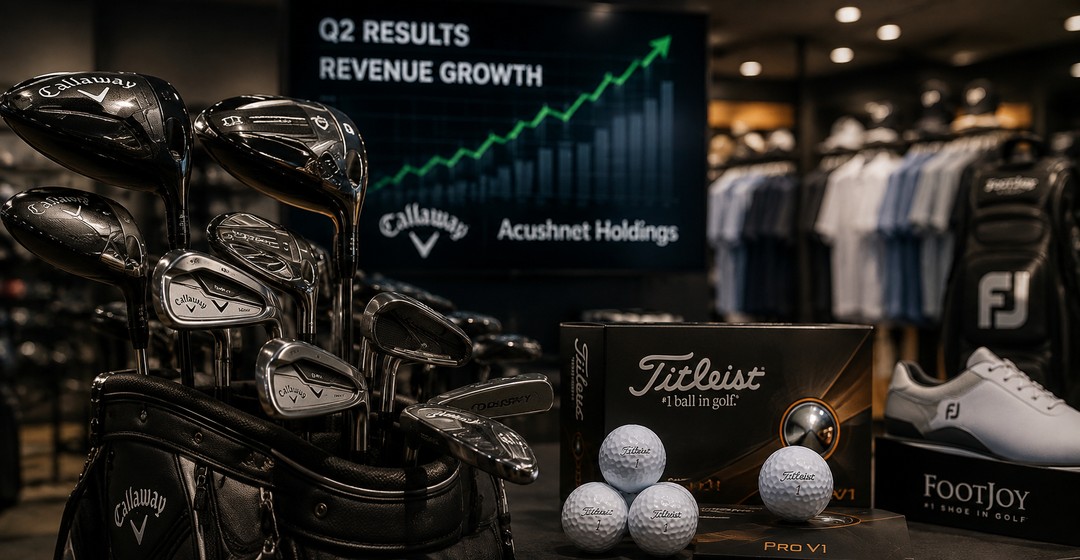
Callaway and Acushnet Report Q2 Revenue Gains Across Core Segments