

For most golfers, the first interaction with a course doesn’t happen on the first tee. It happens on hold.
A phone call. A busy signal. A rushed conversation with a pro shop staffer juggling tee sheets, carts and a line of impatient players. It’s a process that has barely evolved in decades—even as golf technology has exploded everywhere else.
But that front door to the game is starting to change.
A new wave of AI platforms is quietly targeting one of golf’s most overlooked friction points: how players book, communicate and interact with courses. One of the latest examples is a system called GOLF.AI Concierge—an always-on, AI-powered assistant designed to handle everything from tee-time bookings to customer questions without human intervention.
At a glance, it sounds like a chatbot. In practice, it’s something closer to a digital employee.
A 24/7 Front Desk
The idea behind GOLF.AI Concierge is deceptively simple: replace—or at least augment—the traditional pro shop front desk with software.
The platform acts as a “front door” for golf courses, handling bookings, answering questions and communicating with players across multiple channels including voice, web and mobile interfaces.
Instead of calling during business hours, a golfer can interact with the system at any time—booking a tee time at midnight, checking availability via text or asking questions about rates, dress codes or course conditions.
For operators, the implications are immediate. Phone volume drops. Staff workload shifts. And customer response times effectively disappear.
It’s not just automation—it’s always-on access.
From Booking Tool to Operating System
What makes this technology interesting isn’t just its convenience. It’s how quickly it expands beyond booking.
Systems like GOLF.AI are being designed as full operational layers for golf facilities. They don’t just schedule tee times—they manage communication, optimize pricing and analyze player behavior in the background.
The software can reduce manual tasks, freeing up staff to focus on higher-value work like customer service and on-site experience.
At the same time, it introduces something golf has historically lacked: structured, scalable data.
Every interaction—every booking, cancellation, inquiry—feeds into a system that can identify patterns, forecast demand and adjust pricing dynamically.
In other words, the tee sheet becomes intelligent.
The Quiet Shift Toward AI Infrastructure
Most golf tech headlines focus on performance—launch monitors, simulators, swing analysis. But a quieter transformation is happening beneath the surface.
Golf is becoming a software-driven ecosystem.
AI concierge platforms are part of a broader movement to digitize the operational side of the sport. Similar systems are already being used to automate bookings, manage customer service and streamline course operations through voice and chat interfaces.
What’s changing now is the level of intelligence behind those systems.
Instead of static booking engines, AI platforms can interpret requests, respond conversationally and adapt to user behavior. They don’t just process transactions—they guide them.
That shift mirrors what’s happened in other industries.
Hotels replaced front desks with apps. Airlines replaced ticket counters with kiosks and mobile check-ins. Restaurants adopted online ordering and delivery platforms.
Golf is now catching up.
Personalization Comes to the Tee Sheet
One of the more intriguing aspects of AI concierge systems is personalization.
Because the platform tracks user behavior, it can begin to tailor recommendations—suggesting tee times based on past habits, highlighting preferred courses or offering targeted promotions.
The result is a more individualized experience.
Instead of browsing a generic tee sheet, golfers interact with a system that understands how they play: when they book, where they play and how often they return.
For courses, that creates new opportunities for engagement.
For players, it subtly changes expectations.
Booking a round of golf starts to feel less like scheduling and more like interacting with a service.
Efficiency Meets Economics
There’s also a business reality driving this shift.
Golf courses operate with limited staff, and managing phone calls, bookings and customer inquiries can consume a significant portion of daily operations. AI systems reduce that burden while increasing efficiency.
They also open the door to revenue optimization.
With dynamic pricing capabilities and real-time demand insights, courses can adjust tee-time rates more precisely—filling empty slots, maximizing peak hours and responding to changing conditions.
In a business where margins are often tight, those incremental gains matter.
The Human Question
Of course, automation raises an obvious question: what happens to the human element?
Golf has always been a relationship-driven game, and the pro shop has traditionally served as a social hub as much as an operational center.
AI concierge platforms don’t eliminate that role—but they do redefine it.
Instead of answering phones and managing bookings, staff can focus more on in-person interactions, hospitality and course experience. The routine tasks move to software; the human touch becomes more intentional.
At least, that’s the theory.
The New Front Door of Golf
For now, AI concierge systems remain in the early stages of adoption. But the trajectory is clear.
As golf continues to integrate technology into every aspect of the game—from swing analysis to simulator environments—the operational side of the sport is finally catching up.
Booking a tee time may never feel revolutionary.
But the technology behind it is starting to become something much bigger.
The pro shop isn’t disappearing.
It’s evolving into software.
And the next time a golfer reaches for their phone to book a round, they may not be calling a clubhouse at all.
They may be talking to an algorithm.

The Pro Shop Is Becoming an Algorithm
AI concierge platforms are transforming golf course operations, automating tee time bookings, customer service and pricing into always-on, data-driven systems.

· 7 months ago
Related Articles
Business
+2
Courses
Technology

Golf's Next Country Club Might Be an App
Courses
+2
Equipment
Technology

The Entire Planet Is Becoming a Golf Simulator

Tournaments

2026 Solheim Cup Set for Bernardus Golf in the Netherlands
Business
+2
Products
Technology

Golf's Most Important Sensor May Be Hiding in the Grip

Equipment
+1
Products

FootJoy Lab Testing Links Proper Shoe Fit to Measurable Speed Gains
Business
+1
Technology

Golf Tech Is Starting to Measure the Shot Before You Swing

Clubs
+2
Equipment
Technology
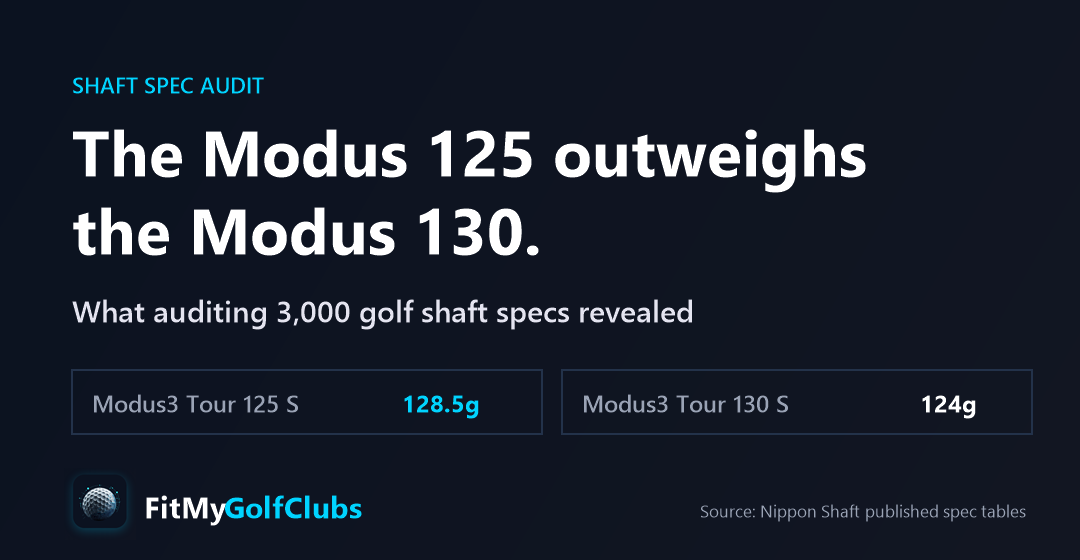
What Auditing 3,000 Golf Shaft Specs Taught Us About Weight
Business
+1
Technology

Golf Is Finally Getting Multiplayer Mode, Five Swings at a Time
Equipment
+2
Products
Technology

Golf's Next Computer Is 1.68 Inches Wide
Business
+2
Courses
Technology
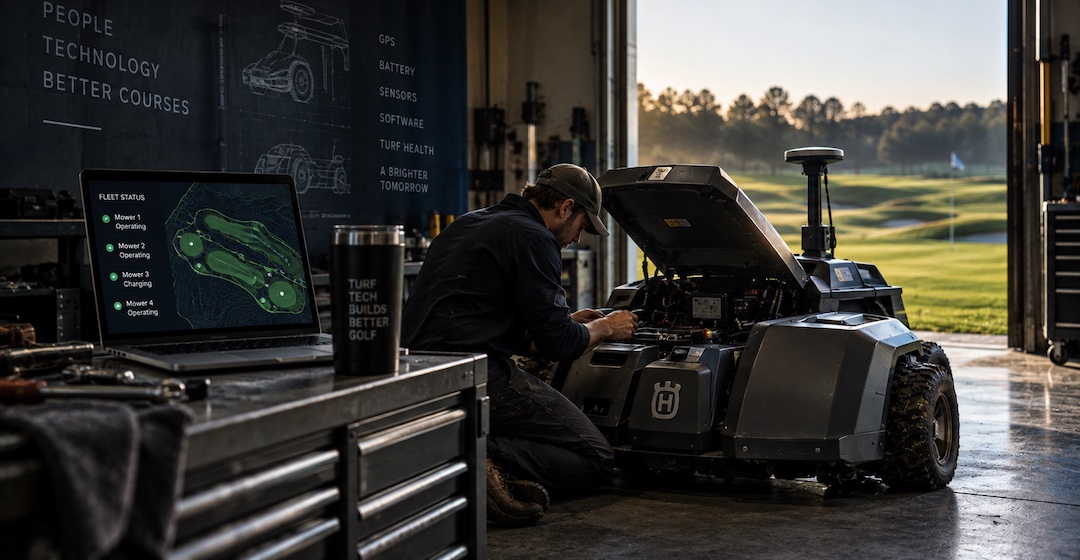
The Golf Course Mechanic Is Becoming a Robotics Engineer

Business

LIV Golf Cancels Season Finale, Concerts Amid Operational Breakdown
Business
+1
Technology

Golf's Next Employee Might Just Be an AI Agent

Courses
+2
Tournaments
Podcast

Duff Foreman Could Make History as First Known AI Broadcast Personality to Join a Live Professional Golf Broadcast
Clubs
+2
Equipment
Technology

Golf's "Weirdest" Putters Are Winning the Engineering War

Business
+3
Products
Technology
Tournaments

ParTab Partners with iGolf to Bring Course Intelligence to the Games Golfers Actually Play
Business
+1
Technology

Golf AI Is Learning What Your Scorecard Can’t Tell You

Business
+1
Tournaments

iGolf Partners with Skins Golf to Power Its All-in-One Competitive Golf Platform
Business
+1
Tournaments

LIV Golf Cuts Prize Money Following Cancellation of Team Championship
Courses
+1
Tournaments

Carden Park Secures Women's PGA Cup Hosting Rights

Business
+2
Courses
Tournaments

LIV Golf's Season Finale Plans Scaled Back Amid Uncertainty