

For decades, attending a golf tournament—especially one like The Masters—has meant stepping into a different kind of world.
No phones. No distractions. No endless scroll. Just golf.
That carefully preserved experience has long been part of the sport’s identity, a deliberate contrast to the hyper-connected reality of modern life. But in 2026, that boundary is starting to break—and not because golf is changing.
Because technology is.
The Loophole That Changed Everything
Despite strict rules banning phones and recording devices, a new category of technology has quietly slipped through the cracks: wearable AI.
Smart glasses—particularly models like Ray-Ban Meta—are designed to look like ordinary eyewear while embedding cameras, microphones and connectivity into the frame. They can record video, capture images and even interact with AI systems, often without obvious visual cues.
And that subtlety is exactly the problem.
At recent tournaments, including this year’s Masters, fans have begun using these devices to capture footage and share content, effectively bypassing long-standing restrictions on electronics.
What was once a tightly controlled, unplugged environment is now quietly being documented from behind a pair of sunglasses.
A Sport Built on Presence
Golf’s resistance to technology—at least in the spectator experience—has always been intentional.
The absence of phones isn’t just a rule. It’s a design choice.
It forces attention. It creates stillness. It preserves a kind of atmosphere that’s increasingly rare in modern sports, where screens and second-screen experiences dominate.
That’s why the rise of wearable tech feels different.
This isn’t just fans sneaking in phones. It’s a new class of devices designed to blend in, making enforcement nearly impossible. Some smart glasses can record discreetly from the wearer’s perspective, creating first-person footage that was never meant to exist.
The result is a fundamental tension between what golf wants to be—and what technology allows it to become.
The Rise of Invisible Tech
What makes this moment particularly interesting is how invisible the technology has become.
Unlike smartphones, which are obvious and easy to regulate, wearable devices are designed to disappear. Smartwatches, rings and glasses blend into everyday life, often indistinguishable from their analog counterparts.
That’s not an accident.
Modern wearable tech is evolving toward seamless integration—devices that feel less like gadgets and more like extensions of the body. Smart glasses, in particular, function as wearable computers, capable of capturing data, interacting with networks and running applications without requiring constant user input.
In other words, the technology isn’t just portable.
It’s ambient.
Golf Meets the Real World
This is where golf’s carefully controlled environment collides with a broader reality.
Outside the ropes, wearable technology is accelerating rapidly. AI-powered devices are being designed to capture, interpret and share information in real time. Cameras are getting smaller. Sensors are getting smarter. Interfaces are disappearing entirely.
The expectation in most industries is clear: more access, more data, more connectivity.
Golf, by contrast, has been trying to hold the line.
But that line is getting harder to maintain.
At events like the Masters, enforcement already requires constant vigilance. Reports of patrons being removed or devices being confiscated highlight just how seriously the rules are taken.
Yet even with strict policies, wearable tech is proving difficult to control—not because of a lack of enforcement, but because of the nature of the devices themselves.
They’re designed to blend in.
The Content Shift
There’s another layer to this story, and it has less to do with rules and more to do with behavior.
Modern fans don’t just watch sports—they document them.
The rise of social media has turned spectators into creators. Moments aren’t just experienced; they’re captured, edited and shared. That impulse doesn’t disappear just because a venue asks for it to.
Wearable tech makes that transition seamless.
Instead of pulling out a phone, users can record passively. Instead of choosing between being present and creating content, they can do both simultaneously.
From a technology standpoint, that’s a feature.
From a tradition standpoint, it’s a disruption.
What Happens Next
The question now isn’t whether wearable tech will impact golf. It already has. The real question is how the sport responds.
Some argue that rules will need to evolve—expanding bans to include wearable devices explicitly. Others believe enforcement will become more sophisticated, relying on detection tools and stricter screening.
But there’s also a broader possibility. Golf could adapt.
Because while wearable tech challenges tradition, it also represents an opportunity. New perspectives, new content formats, new ways to engage younger audiences who expect a more connected experience.
That doesn’t mean abandoning what makes golf unique. It means deciding what’s worth protecting—and what’s worth evolving.
The Bigger Shift
In many ways, this moment isn’t just about golf.
It’s about what happens when a deeply traditional experience meets a rapidly evolving technological world.
Wearable AI isn’t asking for permission.
It’s arriving.
And for a sport built on control, quiet and presence, that may be the biggest disruption of all.
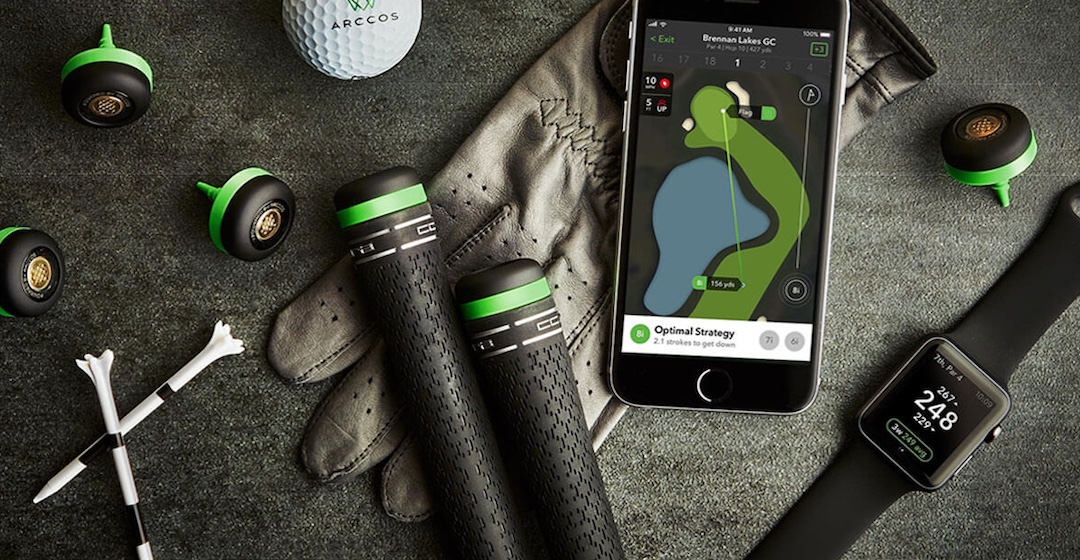
AI Wearables Are Crashing Golf’s Most Protected Tradition
AI-powered wearable tech is challenging golf’s strict no-device traditions, as smart glasses and hidden cameras reshape how fans experience & share the game.

· 6 months ago
Related Articles
Business
+2
Courses
Technology

Golf's Next Country Club Might Be an App
Courses
+2
Equipment
Technology
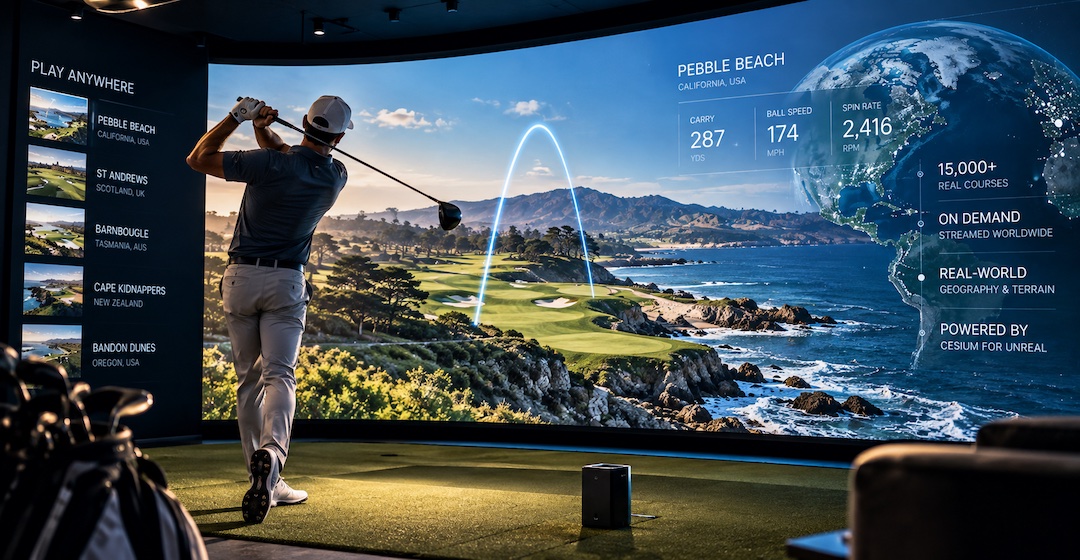
The Entire Planet Is Becoming a Golf Simulator

Tournaments

2026 Solheim Cup Set for Bernardus Golf in the Netherlands
Business
+2
Products
Technology
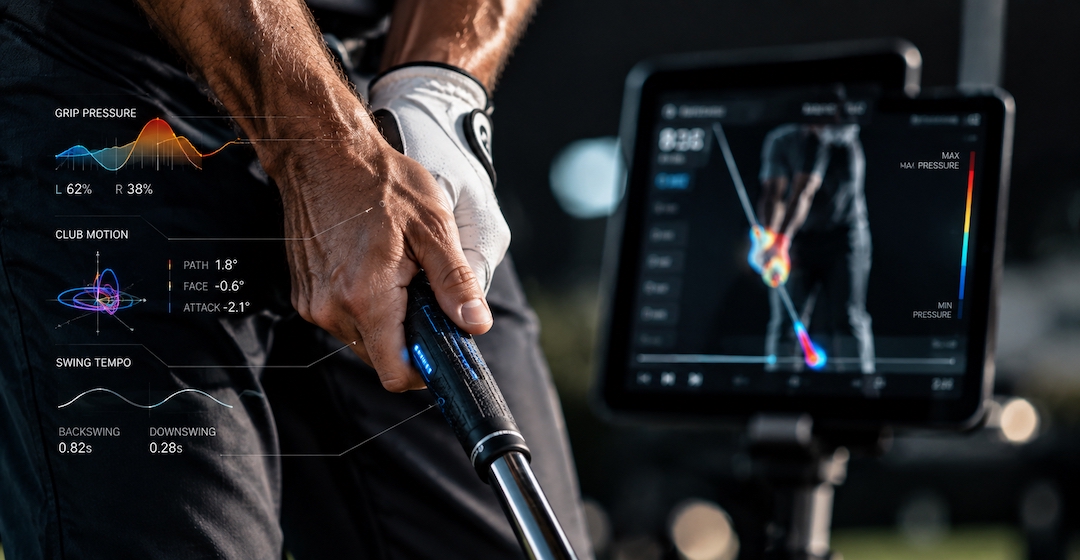
Golf's Most Important Sensor May Be Hiding in the Grip

Equipment
+1
Products
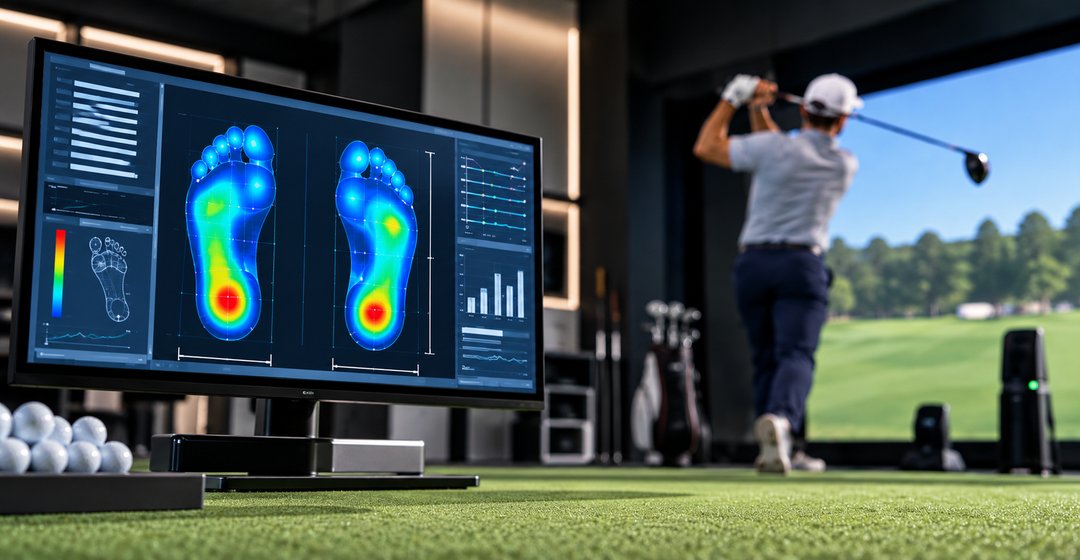
FootJoy Lab Testing Links Proper Shoe Fit to Measurable Speed Gains
Business
+1
Technology
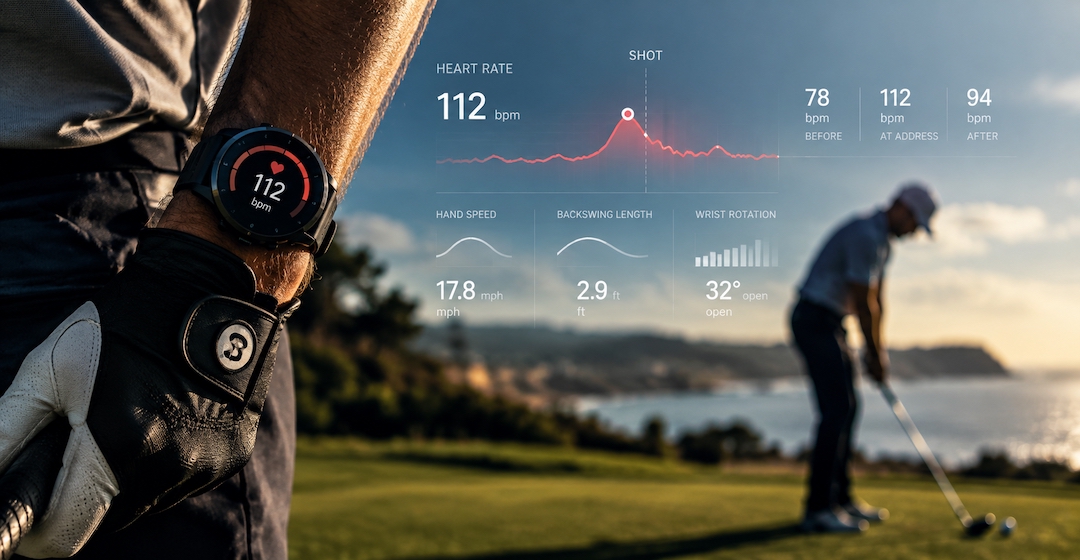
Golf Tech Is Starting to Measure the Shot Before You Swing

Clubs
+2
Equipment
Technology

What Auditing 3,000 Golf Shaft Specs Taught Us About Weight
Business
+1
Technology

Golf Is Finally Getting Multiplayer Mode, Five Swings at a Time
Equipment
+2
Products
Technology

Golf's Next Computer Is 1.68 Inches Wide
Business
+2
Courses
Technology
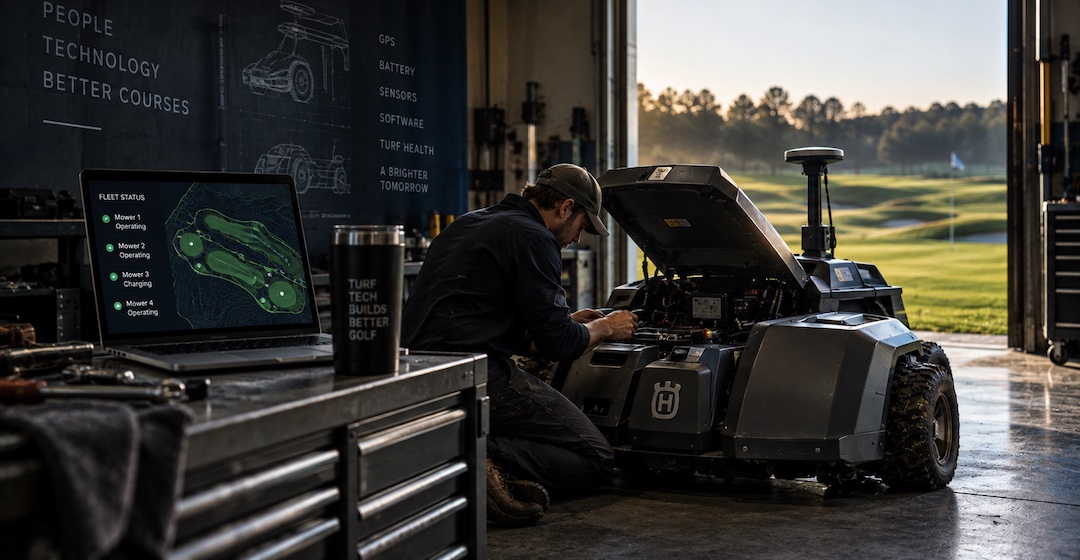
The Golf Course Mechanic Is Becoming a Robotics Engineer

Business

LIV Golf Cancels Season Finale, Concerts Amid Operational Breakdown
Business
+1
Technology

Golf's Next Employee Might Just Be an AI Agent

Courses
+2
Tournaments
Podcast

Duff Foreman Could Make History as First Known AI Broadcast Personality to Join a Live Professional Golf Broadcast
Clubs
+2
Equipment
Technology

Golf's "Weirdest" Putters Are Winning the Engineering War

Business
+3
Products
Technology
Tournaments

ParTab Partners with iGolf to Bring Course Intelligence to the Games Golfers Actually Play
Business
+1
Technology

Golf AI Is Learning What Your Scorecard Can’t Tell You

Business
+1
Tournaments

iGolf Partners with Skins Golf to Power Its All-in-One Competitive Golf Platform
Business
+1
Tournaments

LIV Golf Cuts Prize Money Following Cancellation of Team Championship
Courses
+1
Tournaments

Carden Park Secures Women's PGA Cup Hosting Rights

Business
+2
Courses
Tournaments

LIV Golf's Season Finale Plans Scaled Back Amid Uncertainty