

For most of golf’s technological evolution, progress has been visible.
New devices meant new screens. More data meant more interaction. Golfers engaged with technology directly—checking numbers, reviewing swings, navigating interfaces.
But a different kind of innovation is emerging—one that works quietly, in the background, without requiring input or attention.
Wearable systems like Arccos are redefining what golf technology looks like by removing the need to interact with it at all. Sensors embedded in clubs, combined with GPS and motion tracking, automatically capture every shot a player hits.
No buttons. No setup. No interruption. The technology simply runs.
The Rise of Passive Data
At the heart of this shift is automation.
Modern wearable systems use a combination of accelerometers, gyroscopes and GPS data to detect when a shot is struck, track its location and log it within a larger performance dataset. Over time, that data builds into a detailed profile of a player’s tendencies, strengths and weaknesses.
It’s a fundamentally different model.
Instead of asking golfers to engage with technology, the system adapts to them; the experience becomes seamless.
Data Without Friction
This matters because friction has always been a barrier.
Even the most advanced tools require effort—setting up devices, starting sessions, reviewing results. Over time, that effort can limit usage.
Passive systems remove that barrier entirely.
Golfers don’t need to think about tracking their performance. It happens automatically, round after round. The result is more consistent data, gathered in real-world conditions rather than controlled environments—that data is often more valuable, as it reflects how players actually perform, not just how they practice.
The AI Layer
Behind the scenes, artificial intelligence plays a critical role.
Massive datasets—billions of shots collected across millions of rounds—allow systems to compare individual performance against broader patterns. Insights can be generated automatically, highlighting areas for improvement and identifying trends that might otherwise go unnoticed.
The scale is what makes it powerful.
No coach, no matter how experienced, can match that volume of information.
Invisible Technology
This approach reflects a broader trend in technology. The most advanced systems are no longer the most noticeable ones. They’re the ones that disappear.
Smart homes adjust temperature without input. Fitness trackers monitor activity without intervention. Now, golf technology is moving in the same direction.
The best systems don’t demand attention—they operate quietly, delivering value without distraction.
Where It’s Heading
As wearable technology continues to evolve, this model will expand.
Sensors will become smaller. Data will become richer. Integration with other systems—simulators, apps, coaching platforms—will deepen.
Golfers may interact less with technology directly, even as its influence grows.
The game itself won’t change, but the way it’s understood will. Because the smartest golf tech isn’t the one that shows you everything. It’s the one that sees everything—without you ever noticing.
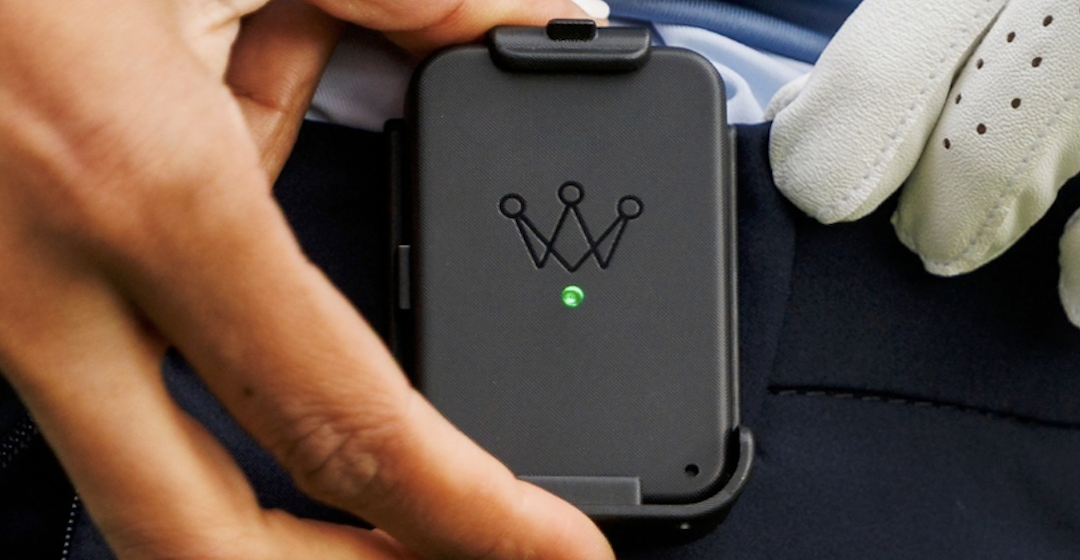
The Smartest Golf Tech Is the One You Never Touch
AI-powered wearable golf tech tracks every shot automatically delivering data-driven insights without user input, redefining how players understand performance.

· 5 months ago
Related Articles
Business
+1
Technology
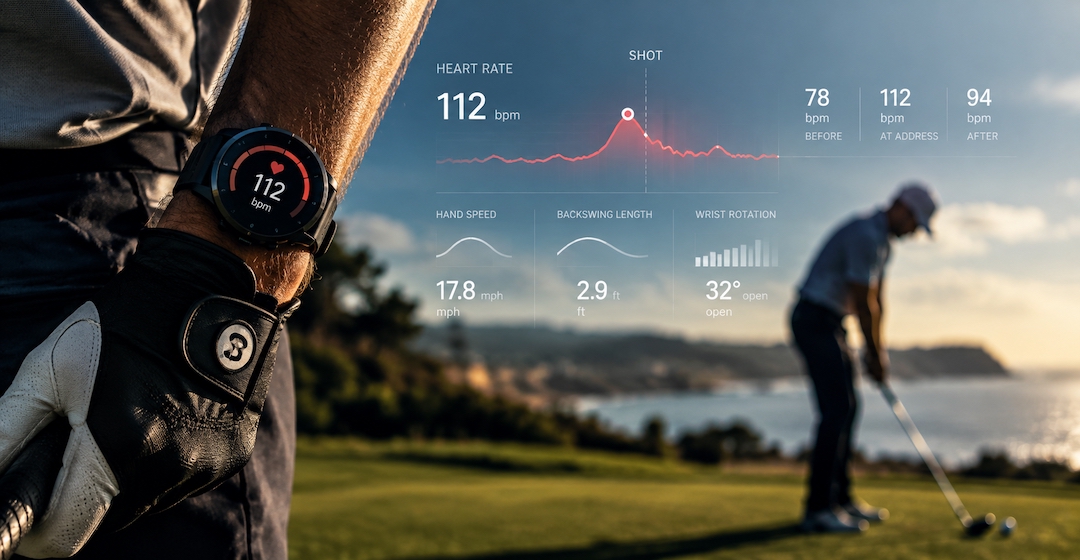
Golf Tech Is Starting to Measure the Shot Before You Swing

Clubs
+2
Equipment
Technology

What Auditing 3,000 Golf Shaft Specs Taught Us About Weight
Business
+1
Technology

Golf Is Finally Getting Multiplayer Mode, Five Swings at a Time
Equipment
+2
Products
Technology

Golf's Next Computer Is 1.68 Inches Wide
Business
+2
Courses
Technology
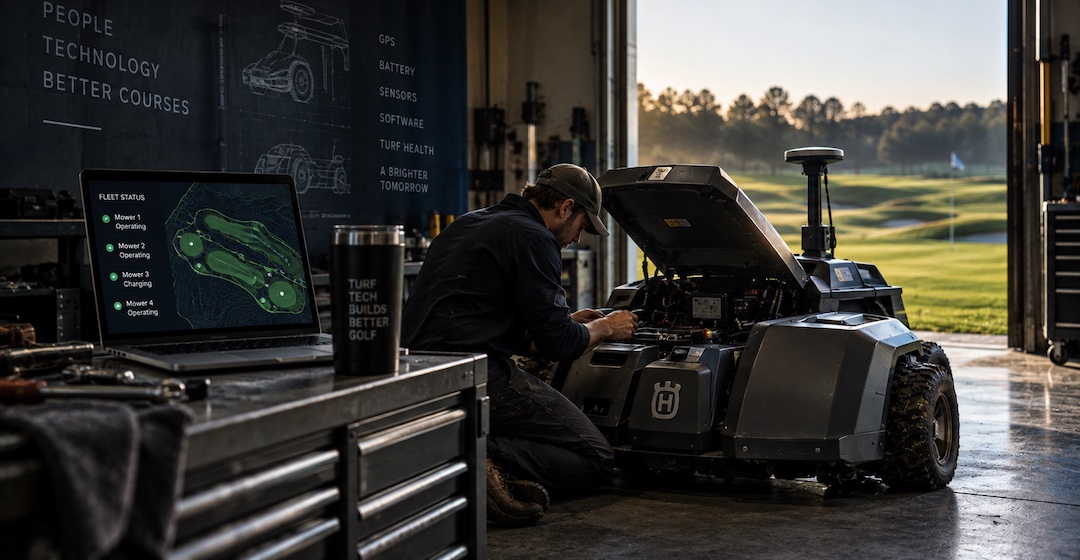
The Golf Course Mechanic Is Becoming a Robotics Engineer

Business

LIV Golf Cancels Season Finale, Concerts Amid Operational Breakdown
Business
+1
Technology

Golf's Next Employee Might Just Be an AI Agent

Courses
+2
Tournaments
Podcast

Duff Foreman Could Make History as First Known AI Broadcast Personality to Join a Live Professional Golf Broadcast
Clubs
+2
Equipment
Technology

Golf's "Weirdest" Putters Are Winning the Engineering War

Business
+3
Products
Technology
Tournaments

ParTab Partners with iGolf to Bring Course Intelligence to the Games Golfers Actually Play
Business
+1
Technology

Golf AI Is Learning What Your Scorecard Can’t Tell You

Business
+1
Tournaments

iGolf Partners with Skins Golf to Power Its All-in-One Competitive Golf Platform
Business
+1
Tournaments

LIV Golf Cuts Prize Money Following Cancellation of Team Championship

Courses
+1
Tournaments

Carden Park Secures Women's PGA Cup Hosting Rights

Business
+2
Courses
Tournaments

LIV Golf's Season Finale Plans Scaled Back Amid Uncertainty
Equipment

TaylorMade Adds Hi-Toe 5 Wedge to Growing Wedge Portfolio
Business
+2
Products
Technology
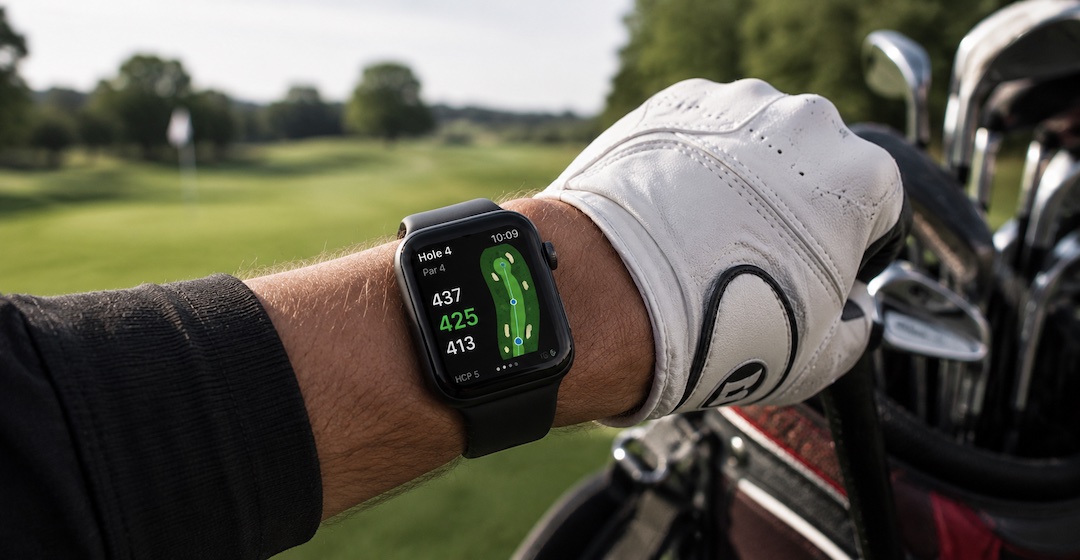
Your Apple Watch Is Coming for Your Golf Watch
Business
+1
Tournaments

LIV Golf's Bedminster Event Draws Trump, Surfaces Mystery Investor

Equipment
+1
Products
Titleist Equipment Wins 2026 Wyndham Championship with Michael Brennan
Business
+2
Equipment
Products

Callaway and Acushnet Report Q2 Revenue Gains Across Core Segments