

For decades, watching golf has required a certain level of patience—and imagination.
A shot launches into the sky. A commentator guesses at the wind. A tracer line appears a second too late. Then a graphic flashes yardage, and viewers are left to piece together what actually happened.
That has long been part of the charm. But in 2026, it’s starting to feel a little outdated.
A new wave of artificial intelligence and data platforms is quietly reshaping how golf is presented to fans, moving the experience away from passive viewing and toward something far more interactive, predictive and personalized.
And unlike past innovations in golf technology, this shift isn’t happening in the bag or on the course.
It’s happening on the screen.
From Broadcast to Data Layer
At the center of this evolution is a growing effort to integrate AI, cloud computing and advanced analytics into golf’s infrastructure.
A recent partnership between governing bodies and enterprise tech firms signals a broader push to bring real-time data processing and machine learning into the sport’s core systems—impacting not just operations, but how fans experience golf as it unfolds.
That matters because golf has historically lagged behind other sports in this area.
Formula 1 delivers live telemetry. Baseball offers predictive pitch modeling. Soccer increasingly relies on AI-generated highlights and analytics. Golf, by comparison, has remained relatively conservative—focused on traditional stats and linear storytelling.
That gap is starting to close.
The Rise of Predictive Golf
One of the most significant changes on the horizon is predictive data.
Instead of simply showing what happened, AI systems can analyze thousands of historical shots, weather conditions and player tendencies to estimate what is likely to happen next.
That opens the door to entirely new viewing elements.
Imagine watching a tee shot and seeing a real-time probability of hitting the fairway. Or a second shot into a par five accompanied by odds of reaching the green, leaving a birdie putt or finding trouble.
Golf, traditionally reactive in its presentation, becomes predictive.
And that fundamentally changes how the game is experienced.
Turning Every Shot Into Context
Golf has always been a sport of nuance. Small differences in lie, wind and angle can dramatically alter outcomes. But those subtleties are often invisible to viewers.
AI changes that.
By layering contextual data onto each shot—risk profiles, expected outcomes, historical comparisons—broadcasts can begin to explain not just what a player is doing, but why it matters.
A 7-iron from 175 yards isn’t just a number. It becomes a decision framed by probability, strategy and consequence.
In that sense, AI doesn’t just add information. It adds meaning.
Personalization Comes to Golf Viewing
Another major shift is personalization.
Golf presents a unique challenge for broadcasters. With dozens of players spread across a course, it’s impossible to show everything in real time. Fans inevitably miss key moments, especially when following specific players.
AI offers a solution.
Intelligent video systems can automatically identify important shots and deliver them to viewers based on their preferences—whether that’s a favorite player, a particular leaderboard battle or a specific type of moment.
Instead of watching a single curated broadcast, fans could experience a version of the tournament tailored to them.
It’s a shift from programming to personalization.
The Second-Screen Evolution
This transformation also aligns with how audiences consume sports more broadly.
Golf is no longer just something you watch on television. It’s something you follow across devices—phones, tablets, apps—often while doing something else.
AI-driven platforms are beginning to embrace that reality, creating second-screen experiences that complement the primary broadcast. Live stats, predictive insights and customized highlights can run in parallel, giving fans multiple layers of engagement at once.
The result is a more immersive experience—not because the visuals have changed, but because the information has.
A Familiar Pattern in Sports
What’s happening in golf mirrors a broader trend across sports.
Technology is moving from enhancement to integration.
In Formula 1, telemetry is central to the broadcast. In baseball, advanced metrics shape how games are analyzed. In basketball, player tracking data informs both commentary and strategy.
Golf is now entering that same phase.
The difference is that golf’s complexity—its variables, its pace, its decentralized structure—may make it uniquely suited for AI-driven storytelling.
There’s simply more to interpret.
The Risk of Overload
Of course, more data isn’t always better.
One of the challenges facing this new era of golf viewing will be balance. Too many metrics, too many overlays, too much information, and the experience risks becoming cluttered.
Golf’s appeal has always included its simplicity—the rhythm of shots, the quiet tension of a putt, the space between moments.
The best implementations of AI will enhance that experience without overwhelming it.
The goal isn’t to turn golf into a spreadsheet.
It’s to make the invisible visible.
The Future of Watching Golf
If early 2026 is any indication, the trajectory is clear.
Golf broadcasts will become more dynamic. Data will become more central. AI will move from background technology to front-facing feature. And the way fans engage with the sport will continue to evolve.
Watching golf will no longer be about following a sequence of shots. It will be about understanding them.
Because as the sport becomes more data-driven, the experience of watching it is becoming something else entirely.
Not just a broadcast. But a system.
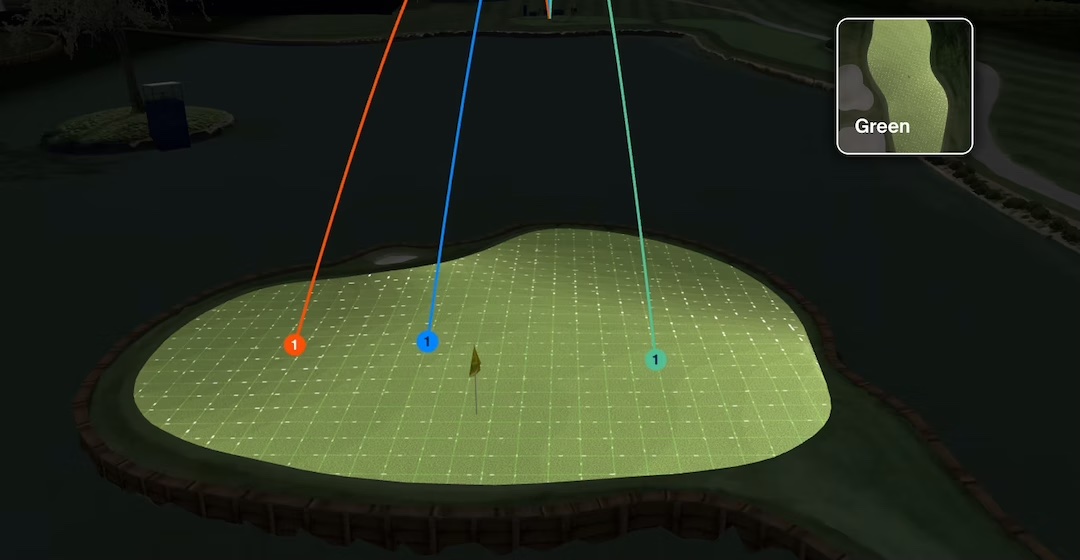
AI Is Turning Golf Into a Smarter Viewing Experience
AI and data are transforming golf broadcasts, adding insights, real-time analytics and personalized viewing to reshape how fans watch and understand the game.

· 6 months ago
Related Articles
Business
+2
Courses
Technology

Golf's Next Country Club Might Be an App
Courses
+2
Equipment
Technology

The Entire Planet Is Becoming a Golf Simulator

Tournaments

2026 Solheim Cup Set for Bernardus Golf in the Netherlands
Business
+2
Products
Technology
Golf's Most Important Sensor May Be Hiding in the Grip

Equipment
+1
Products

FootJoy Lab Testing Links Proper Shoe Fit to Measurable Speed Gains
Business
+1
Technology
Golf Tech Is Starting to Measure the Shot Before You Swing

Clubs
+2
Equipment
Technology
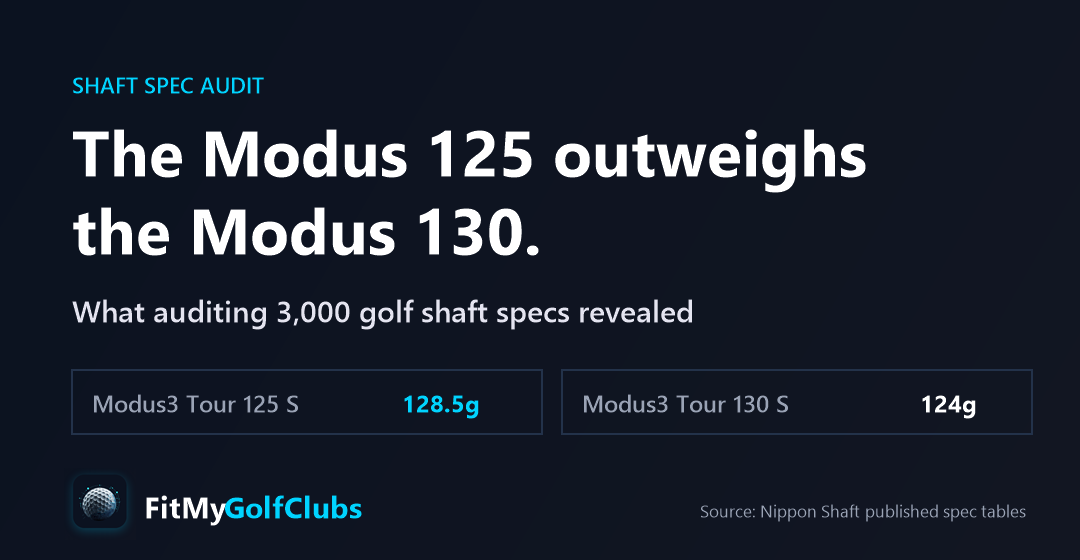
What Auditing 3,000 Golf Shaft Specs Taught Us About Weight
Business
+1
Technology

Golf Is Finally Getting Multiplayer Mode, Five Swings at a Time
Equipment
+2
Products
Technology

Golf's Next Computer Is 1.68 Inches Wide
Business
+2
Courses
Technology

The Golf Course Mechanic Is Becoming a Robotics Engineer

Business

LIV Golf Cancels Season Finale, Concerts Amid Operational Breakdown
Business
+1
Technology

Golf's Next Employee Might Just Be an AI Agent

Courses
+2
Tournaments
Podcast

Duff Foreman Could Make History as First Known AI Broadcast Personality to Join a Live Professional Golf Broadcast
Clubs
+2
Equipment
Technology

Golf's "Weirdest" Putters Are Winning the Engineering War

Business
+3
Products
Technology
Tournaments

ParTab Partners with iGolf to Bring Course Intelligence to the Games Golfers Actually Play
Business
+1
Technology

Golf AI Is Learning What Your Scorecard Can’t Tell You

Business
+1
Tournaments

iGolf Partners with Skins Golf to Power Its All-in-One Competitive Golf Platform
Business
+1
Tournaments

LIV Golf Cuts Prize Money Following Cancellation of Team Championship
Courses
+1
Tournaments

Carden Park Secures Women's PGA Cup Hosting Rights

Business
+2
Courses
Tournaments

LIV Golf's Season Finale Plans Scaled Back Amid Uncertainty