

For most of golf’s technological evolution, progress has been obvious.
A bigger launch monitor screen. A smarter GPS watch. A simulator packed with more cameras, more metrics and more visible hardware. Golf tech traditionally announced itself loudly, often demanding the player’s attention at every step.
That’s beginning to change.
In 2026, the most interesting innovation in golf may not be the technology golfers actively use—but the technology they barely notice at all.
Artificial intelligence, passive tracking systems and connected course infrastructure are quietly pushing golf into a new phase where data collection, analysis and personalization happen automatically, often without a player touching a button or even realizing it’s occurring.
The future of golf tech isn’t just smarter; it’s invisible.
Golf Is Entering the Ambient Computing Era
The broader tech industry has been moving in this direction for years.
Smart homes automatically adjust lighting and temperature. Streaming platforms predict what users want to watch before they search for it. Cars monitor driving behavior in real time while updating software quietly in the background.
The most advanced systems increasingly operate without demanding interaction and golf is now following the same trajectory.
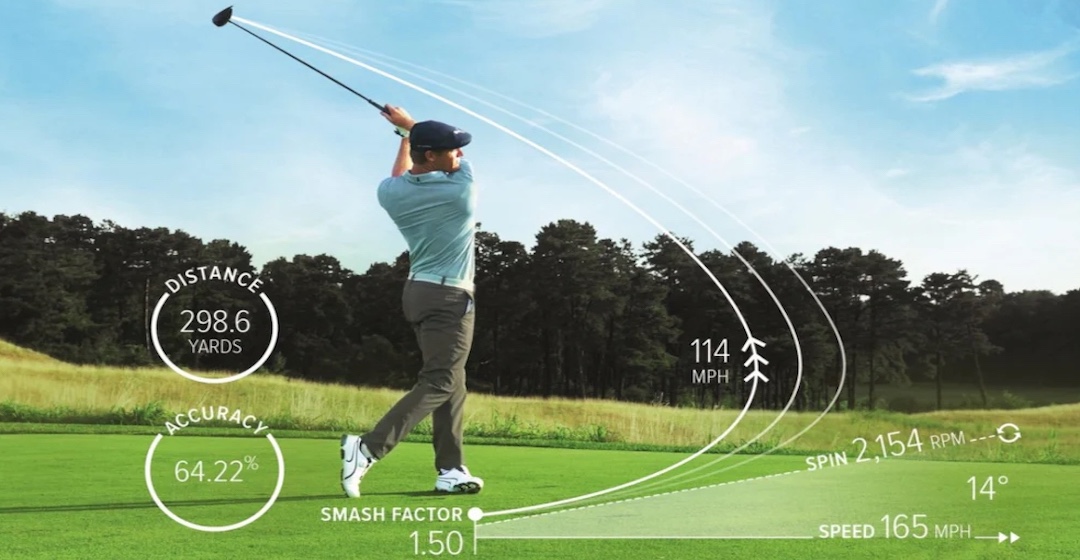
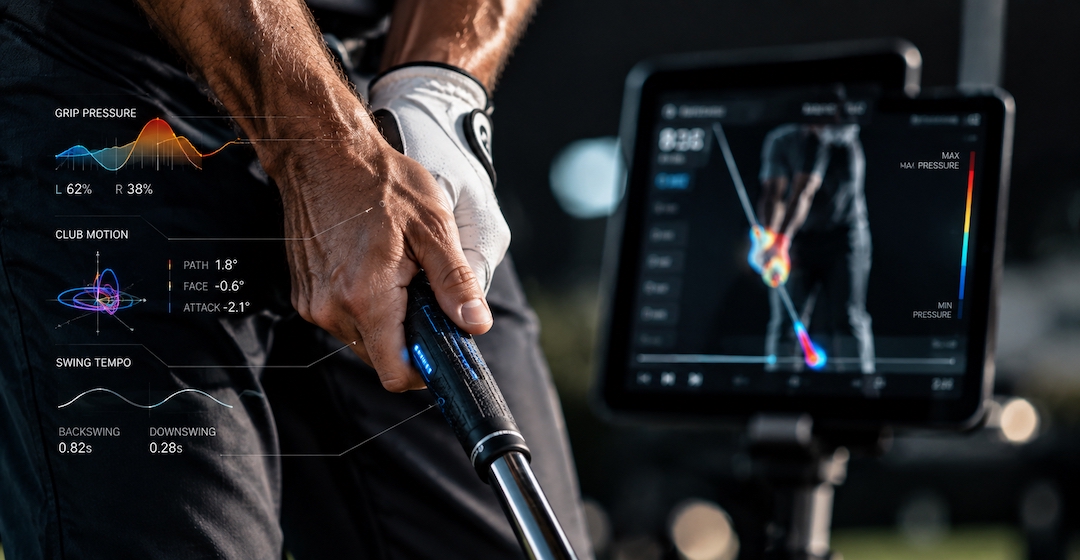
Wearable tracking systems are one of the clearest examples. Sensors embedded into grips, watches or lightweight tags can now track shots automatically using a blend of gyroscopes, accelerometers, GPS positioning and AI-driven analysis. Massive datasets built from millions of rounds allow these systems to recognize swings, identify locations and generate performance insights with minimal user input.
The technology simply runs.
That shift matters because friction has always been one of the biggest barriers to golf tech adoption. The more steps required—setting up devices, entering data, reviewing numbers—the less likely golfers are to use the technology consistently.
Invisible systems solve that problem by removing the interaction layer almost entirely.
Golfers no longer have to “use” the tech; they just play.
The Course Is Becoming Intelligent
What makes this evolution particularly interesting is that it extends beyond the golfer.
Courses themselves are starting to become connected environments.
AI-powered systems can already help facilities optimize tee times, adjust pricing dynamically and personalize communication based on player behavior. Turf management software uses environmental sensors and predictive analysis to monitor irrigation needs, weather conditions and maintenance schedules with increasing precision.
Even the pace of play is becoming measurable.
Some facilities are experimenting with systems that monitor golfer movement patterns across courses, helping operators identify bottlenecks and improve course flow without relying solely on marshals or staff observation.
In many ways, golf courses are beginning to function more like intelligent ecosystems than static venues.
And most players never notice it happening—that’s the point. The technology isn’t designed to interrupt the golf experience; it’s designed to disappear into it.
Data Without Distraction
This is where golf technology is becoming fundamentally different from previous generations of sports tech.
Earlier systems often prioritized visibility. More stats. More screens. More alerts. The assumption was that giving golfers more information automatically created a better experience.
But overload has its limits.
The next phase of golf tech is focused less on presenting data and more on interpreting it quietly in the background. AI systems are increasingly capable of recognizing patterns, identifying tendencies and generating insights automatically, surfacing only the information most relevant to the player.
Instead of forcing golfers to analyze dozens of metrics, the technology begins doing the filtering itself.
That evolution mirrors what has happened in other industries. Smartphones no longer require users to manage every process manually. Streaming platforms curate content automatically. Fitness trackers summarize trends instead of overwhelming users with raw data.
Golf is entering that same phase of simplification. The experience becomes cleaner, even as the systems powering it become more sophisticated.
The AI Layer Changes Everything
Artificial intelligence is the key factor accelerating this shift.
Raw data has existed in golf for years. Launch monitors, simulators and wearables have been collecting enormous amounts of information for more than a decade. But AI changes what can actually be done with that information.
Instead of simply storing data, systems can now interpret it contextually.
A wearable device doesn’t just know a golfer missed left. It can recognize that the miss tends to happen late in rounds with longer clubs under pressure situations. A course management platform can identify which tee times are most likely to cancel based on weather patterns and booking behavior. A simulator can detect recurring swing tendencies and recommend adjustments automatically.
The systems start to feel less like tools and more like observers.
Quietly learning. Quietly adapting. Quietly optimizing.
Golf Tech Stops Feeling Like Tech
What’s emerging is a future where golf technology stops feeling like technology entirely.
The best systems won’t be the loudest or the most visually impressive. They’ll be the ones that blend seamlessly into the experience—working constantly in the background while allowing golfers to remain focused on the game itself.
That’s a major philosophical shift for the category.
For years, golf tech has competed on visibility: more features, more screens, more complexity. But increasingly, the industry is realizing that the most valuable technology may be the kind golfers barely notice at all.
Technology that removes friction instead of adding it.
Technology that understands behavior instead of demanding attention.
Technology that works silently—and in 2026, that quiet revolution is already underway.
The Smartest Golf Tech Is Starting to Disappear
Invisible golf tech is transforming the game through AI, passive tracking and connected systems that quietly analyze performance in the background.

· 5 months ago
Related Articles
Business
+2
Courses
Technology

Golf's Next Country Club Might Be an App
Courses
+2
Equipment
Technology
The Entire Planet Is Becoming a Golf Simulator

Tournaments

2026 Solheim Cup Set for Bernardus Golf in the Netherlands
Business
+2
Products
Technology
Golf's Most Important Sensor May Be Hiding in the Grip

Equipment
+1
Products
FootJoy Lab Testing Links Proper Shoe Fit to Measurable Speed Gains
Business
+1
Technology
Golf Tech Is Starting to Measure the Shot Before You Swing

Clubs
+2
Equipment
Technology

What Auditing 3,000 Golf Shaft Specs Taught Us About Weight
Business
+1
Technology

Golf Is Finally Getting Multiplayer Mode, Five Swings at a Time
Equipment
+2
Products
Technology

Golf's Next Computer Is 1.68 Inches Wide
Business
+2
Courses
Technology
The Golf Course Mechanic Is Becoming a Robotics Engineer

Business

LIV Golf Cancels Season Finale, Concerts Amid Operational Breakdown
Business
+1
Technology

Golf's Next Employee Might Just Be an AI Agent

Courses
+2
Tournaments
Podcast

Duff Foreman Could Make History as First Known AI Broadcast Personality to Join a Live Professional Golf Broadcast
Clubs
+2
Equipment
Technology

Golf's "Weirdest" Putters Are Winning the Engineering War

Business
+3
Products
Technology
Tournaments

ParTab Partners with iGolf to Bring Course Intelligence to the Games Golfers Actually Play
Business
+1
Technology

Golf AI Is Learning What Your Scorecard Can’t Tell You

Business
+1
Tournaments

iGolf Partners with Skins Golf to Power Its All-in-One Competitive Golf Platform
Business
+1
Tournaments

LIV Golf Cuts Prize Money Following Cancellation of Team Championship
Courses
+1
Tournaments

Carden Park Secures Women's PGA Cup Hosting Rights

Business
+2
Courses
Tournaments

LIV Golf's Season Finale Plans Scaled Back Amid Uncertainty