

For decades, golf instruction has revolved around the same basic formula.
A player hits balls. A coach observes patterns. Adjustments are suggested. Improvement happens slowly, often through repetition, feel and trial-and-error. Even with the rise of launch monitors and simulators, the golfer still had to interpret the information and decide what to do next.
That dynamic is beginning to change.
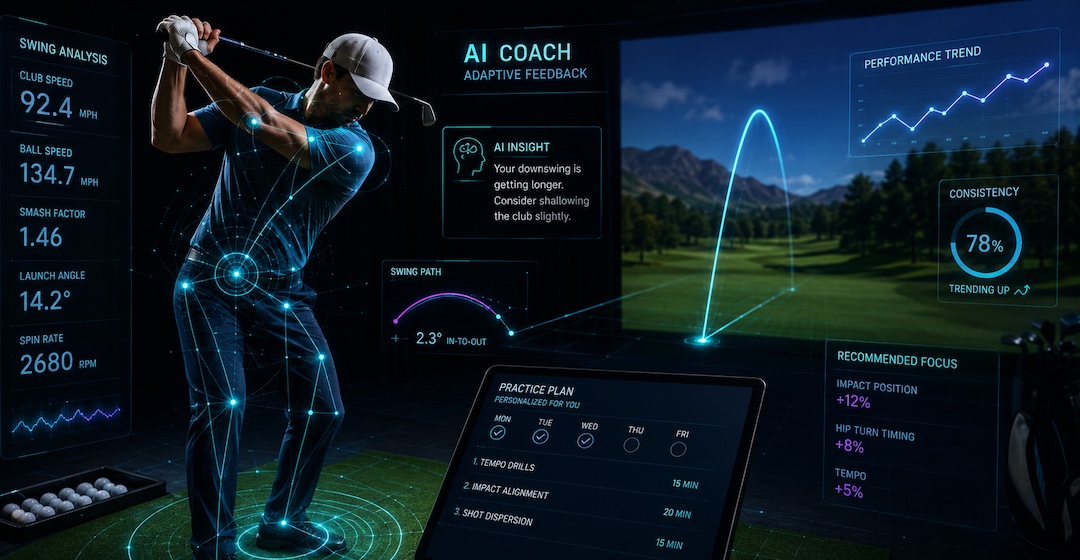
In 2026, artificial intelligence is pushing golf instruction into a new phase where software doesn’t just analyze swings—it actively shapes improvement plans, adapts to player behavior and builds personalized training systems in real time.
The future of golf coaching may not be a person standing behind the range mat; it may be an algorithm quietly learning how you swing.
From Swing Analysis to Adaptive Coaching
The first wave of golf tech focused heavily on measurement.
Launch monitors delivered ball speed, spin rate and launch angle. Simulators recreated ball flight and mapped swing mechanics with increasing precision. The technology gave golfers more data than ever before, but it still relied heavily on human interpretation.
Data alone wasn’t enough.
Most golfers didn’t struggle to access information. They struggled to understand which information mattered and how to use it effectively.
Artificial intelligence is starting to solve that problem.
Modern AI-powered coaching systems can now identify tendencies across thousands of swings, recognize recurring mistakes and generate feedback dynamically based on how a player performs over time. Instead of simply reporting what happened during a swing, the software begins interpreting patterns and adjusting recommendations automatically.
That shift changes everything and the technology moves from passive analysis into active instruction.
The Simulator Becomes the Training Platform
This evolution is happening largely inside simulator ecosystems, where AI has access to enormous amounts of performance data. High-speed cameras, optical tracking systems and radar sensors feed information into software engines capable of processing swings instantly.
But the real innovation isn’t the hardware; it's the learning layer sitting on top of it.
AI systems can now compare a golfer’s swing against historical sessions, benchmark progress and recognize subtle patterns humans might miss entirely. A player who consistently leaves approach shots short late in practice sessions may trigger different recommendations than someone fighting a left miss under pressure situations.
The software adapts because it remembers—and increasingly, it learns.
This is where golf instruction begins to resemble the broader trajectory of modern technology. Streaming platforms learn viewing habits. Fitness apps adjust workout plans automatically. Recommendation engines adapt based on behavior patterns.
Golf coaching is entering that same ecosystem-driven phase. The simulator is no longer just a place to hit balls indoors—it’s becoming a continuously evolving training environment.
Practice Stops Being Guesswork
For generations, golf improvement has relied heavily on feel.
Players experimented with swing thoughts, tested adjustments and hoped the changes translated to the course. Lessons often introduced concepts that required weeks or months of repetition before results became measurable.
AI-driven systems accelerate that feedback loop dramatically.
Every swing produces measurable outcomes. Small adjustments can be tested immediately. Trends become visible much faster because the software is constantly analyzing outcomes in context, not just in isolation.
The result is a practice environment built around iteration rather than repetition.
Golfers no longer need to wonder whether a swing change is working; the system can show them.
That immediacy fundamentally changes the learning process. Instead of spending months searching blindly for consistency, players can identify productive patterns much earlier.
And because AI systems continue learning from each session, the feedback itself becomes more personalized over time.
Personalized Instruction at Scale
One of the most significant implications of AI coaching systems is accessibility.
Elite players have always had access to sophisticated instruction teams—coaches, trainers, analytics specialists. Average golfers haven’t. High-level coaching has traditionally been limited by cost, geography and availability.
AI changes the scale equation entirely.
Software-driven systems can theoretically deliver advanced coaching frameworks to anyone with access to a simulator or launch monitor. Instead of relying on occasional lessons, golfers can interact with systems providing continuous feedback every time they practice.
That doesn’t mean human coaches disappear—but it does mean instruction becomes more available, more consistent and more data-driven than ever before.
The technology isn’t replacing coaches; it’s augmenting them.
The Human Element Still Matters
For all the advancements in AI coaching, golf remains deeply human.
Confidence, creativity and decision-making still exist outside the boundaries of pure data. A machine can identify tendencies and optimize mechanics, but it can’t fully replicate the emotional and psychological aspects of the game.
At least not yet.
The most effective future systems will likely blend human instruction with AI-driven analysis, combining intuition and experience with constant data interpretation.
In many ways, this mirrors what’s happening across other industries. AI isn’t necessarily replacing experts—it’s giving them better tools and expanding access to capabilities that were previously difficult to scale.
Golf is simply arriving at that moment.
The Next Phase of Golf Tech
What’s unfolding now feels less like a gadget trend and more like a structural shift in how golfers improve.
The early era of golf technology focused on collecting information. The next phase is focused on interpreting it intelligently.
That distinction matters.
Because once software begins adapting dynamically to the golfer—not just measuring them—the relationship between player and technology changes completely.
The system stops feeling like equipment—t starts feeling like guidance—and in 2026, artificial intelligence is rapidly becoming one of the most influential instructors the game has ever seen.
AI Is Starting to Build the Perfect Golf Swing
AI-powered golf systems are transforming instruction, using adaptive coaching and real-time analysis to personalize how golfers practice and improve.

· 5 months ago
Related Articles
Business
+2
Courses
Technology

Golf's Next Country Club Might Be an App
Courses
+2
Equipment
Technology
The Entire Planet Is Becoming a Golf Simulator

Tournaments

2026 Solheim Cup Set for Bernardus Golf in the Netherlands
Business
+2
Products
Technology
Golf's Most Important Sensor May Be Hiding in the Grip

Equipment
+1
Products
FootJoy Lab Testing Links Proper Shoe Fit to Measurable Speed Gains
Business
+1
Technology
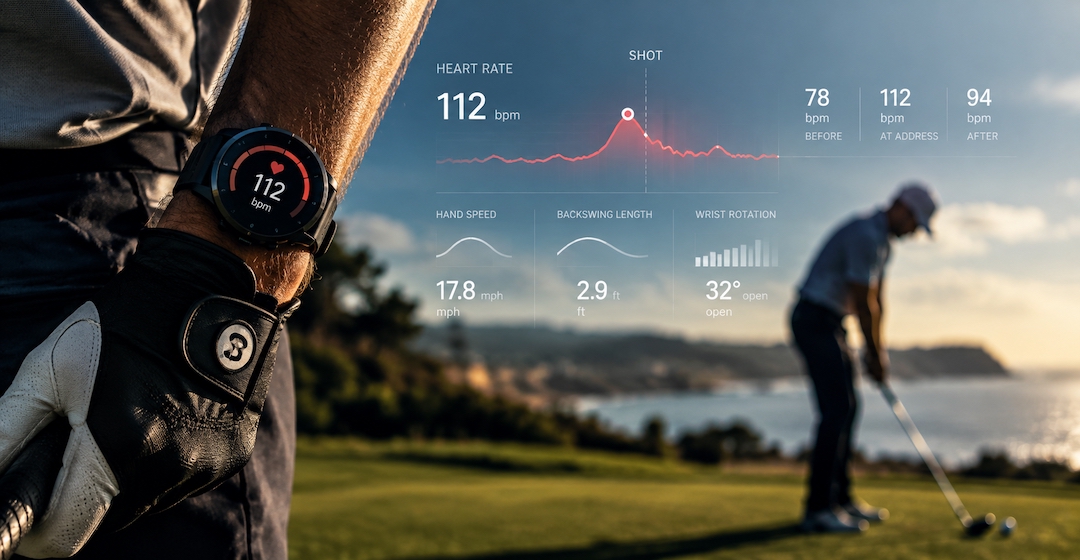
Golf Tech Is Starting to Measure the Shot Before You Swing

Clubs
+2
Equipment
Technology
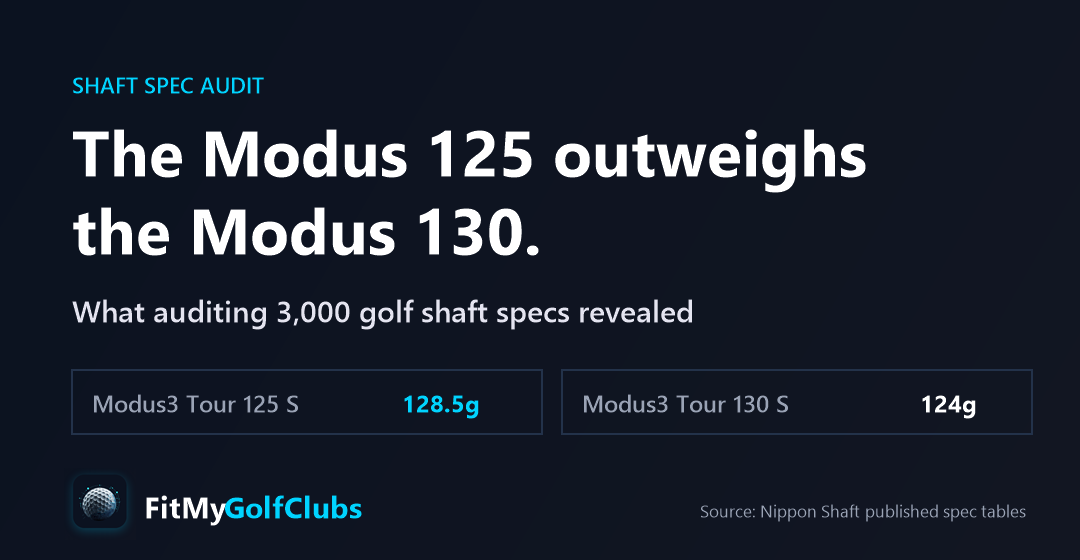
What Auditing 3,000 Golf Shaft Specs Taught Us About Weight
Business
+1
Technology
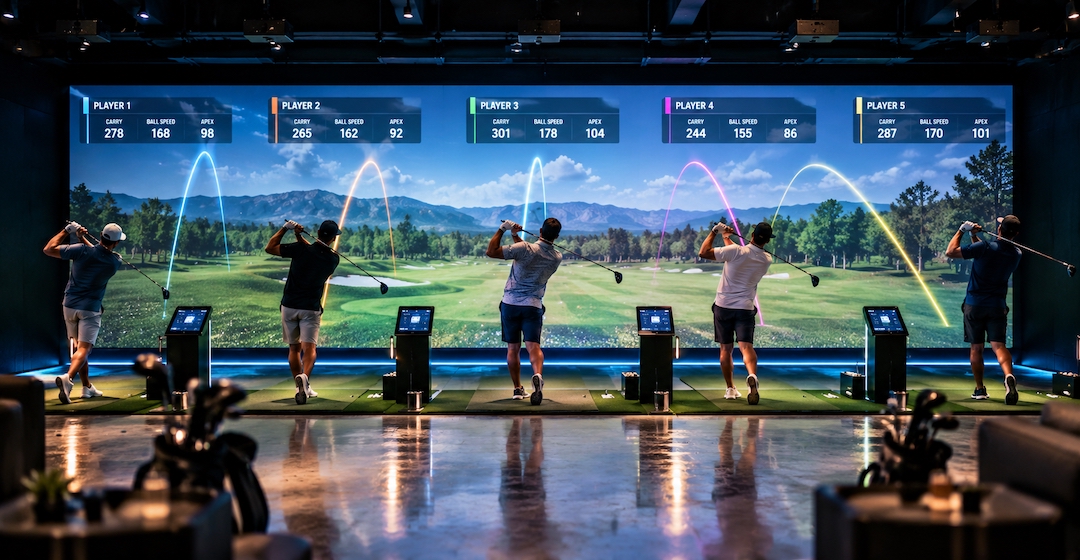
Golf Is Finally Getting Multiplayer Mode, Five Swings at a Time
Equipment
+2
Products
Technology

Golf's Next Computer Is 1.68 Inches Wide
Business
+2
Courses
Technology
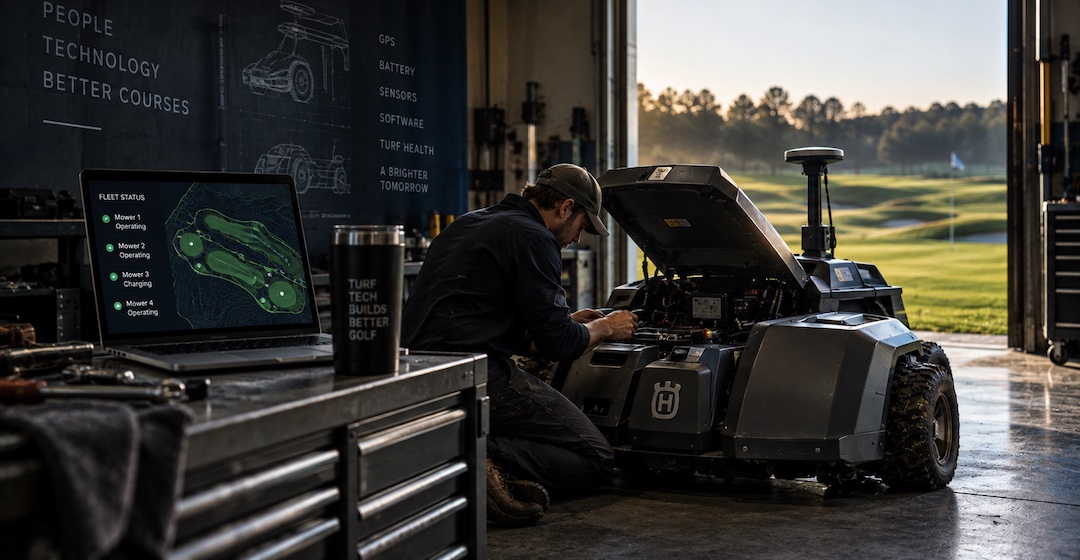
The Golf Course Mechanic Is Becoming a Robotics Engineer

Business

LIV Golf Cancels Season Finale, Concerts Amid Operational Breakdown
Business
+1
Technology

Golf's Next Employee Might Just Be an AI Agent

Courses
+2
Tournaments
Podcast

Duff Foreman Could Make History as First Known AI Broadcast Personality to Join a Live Professional Golf Broadcast
Clubs
+2
Equipment
Technology

Golf's "Weirdest" Putters Are Winning the Engineering War

Business
+3
Products
Technology
Tournaments

ParTab Partners with iGolf to Bring Course Intelligence to the Games Golfers Actually Play
Business
+1
Technology

Golf AI Is Learning What Your Scorecard Can’t Tell You

Business
+1
Tournaments

iGolf Partners with Skins Golf to Power Its All-in-One Competitive Golf Platform
Business
+1
Tournaments

LIV Golf Cuts Prize Money Following Cancellation of Team Championship
Courses
+1
Tournaments

Carden Park Secures Women's PGA Cup Hosting Rights

Business
+2
Courses
Tournaments

LIV Golf's Season Finale Plans Scaled Back Amid Uncertainty