

For generations, joining a golf club meant committing to a place.
There was a clubhouse. A membership application. Maybe an initiation fee large enough to make the monthly dues seem reasonable. And, of course, the expectation that you'd spend most of your golfing life playing the same 18 holes.
Now imagine a membership that follows you instead.
One app. Dozens of courses. A digital community, rewards and the ability to play somewhere different without starting from scratch every time.
It's a concept that has already transformed industries from fitness to entertainment. And now golf is beginning to experiment with its own version.
Future Golf recently announced a partnership with Troon, connecting its expanding U.S. membership platform to more than 60 participating Troon-affiliated courses through a digital loyalty and booking system called Access Powered by Troon.
The announcement might sound like another corporate partnership in the increasingly crowded golf business; but there's a bigger idea hiding underneath.
What if the next generation of golfers doesn't want to belong to one golf course and what if it wants to belong to a network?
The ClassPass Effect Comes to Golf
The traditional golf membership is built around a relatively simple proposition: Pay for access to a particular facility, then use it enough to justify the expense.
That model works beautifully for golfers who love their home course, value established relationships and want the privileges of belonging somewhere.
But it isn't necessarily how everyone wants to play.
A younger professional might play near home one weekend, visit friends across town the next and squeeze in a round while traveling for work. Another golfer might prefer variety over familiarity, without wanting to pay full retail rates everywhere.
Looking back, fitness faced a similar problem and ClassPass helped popularize the idea that consumers could purchase access to a network of participating studios rather than commit exclusively to one gym.
Future Golf is pursuing a comparable concept for golf.
Founded in Australia in 2014, the company has grown to more than 60,000 members. Its U.S. expansion began in California this September, offering a membership built around participating courses, events, community features and digital services.
Its membership model includes 12 annual rounds at participating facilities, with the new Troon partnership adding Access Points for eligible members.
Those points can be redeemed toward rounds at participating Troon-affiliated courses through an integration with the Future Golf app.
It's not unlimited golf, and availability depends on participating facilities and membership terms, but the underlying concept is unmistakable.
The membership belongs to the golfer, not necessarily the golf course.
The Clubhouse Is Becoming Software
The technological challenge is more complicated than simply building a tee-time booking app; a network membership requires separate businesses to communicate with one another.
Golf courses have their own reservation systems, pricing structures, availability restrictions and customer relationships. A membership platform must somehow make those independent operations feel like a connected experience.
That's where software infrastructure becomes important.
Troon's Access platform combines tee-time discovery, booking, loyalty points and rewards. Future Golf's integration allows eligible members to receive and redeem Access Points within its own app.
In effect, the membership platform becomes a digital layer connecting golfers to a collection of physical destinations as it's the same basic principle that has reshaped travel rewards and other network-based consumer services.
The customer maintains one relationship while interacting with multiple providers and the benefits extend beyond convenience.
A digital membership can combine handicap tracking, scoring, events, rewards and community features into an identity that travels with the golfer.
Instead of belonging primarily to a clubhouse, golfers begin accumulating a history within a platform.
Where they've played. Who they've played with. Which events they've attended. What benefits they've earned.
The physical course remains essential, but the software increasingly manages the relationship.
Golf's New Battle Is for the Golfer
For course operators, this creates an interesting opportunity—and a potential complication.
Golf courses sell something unusually perishable: tee times.
An unsold opening at 10:20 on Tuesday morning cannot be stored and sold next month. Once that moment passes, the inventory disappears.
Membership networks could help participating facilities reach golfers who might otherwise never discover them, particularly during periods when demand is softer.
They also create opportunities for cross-promotion, loyalty programs and repeat business, but the economics need to work for the courses, too.
A network that fills unused tee times can be valuable. One that encourages existing customers to trade full-price rounds for discounted access presents a different calculation.
There's also the question of who controls the customer relationship.
When a golfer books through a membership platform, is that person primarily the course's customer or the platform's member?
Who owns the loyalty? Who decides which courses get recommended? And how much influence will the software eventually have over where golfers spend their money?
These questions have played out across hotels, restaurants and travel platforms for years and golf may be entering its own version of that negotiation.
Belonging Without Belonging Somewhere
None of this means the traditional country club is about to disappear.
Private clubs offer something a subscription network cannot easily reproduce: a consistent home, familiar faces, social traditions and a physical place where members develop relationships over years.
For many golfers, that's the entire point.
But golf's growing population includes people who don't necessarily want the financial commitment or geographic limitations of conventional membership.
Future Golf's American rollout is still early. Its initial launch is centered on California, with additional markets planned. The Troon integration expands its potential reach, but it doesn't mean every course in the broader Troon network is automatically included.
What makes the development interesting isn't the idea that one app will replace every golf club.
It's the possibility that golf membership could become a category of software-driven services rather than a single established business model.
Some golfers will continue paying to belong somewhere—others may increasingly pay for the freedom to play almost anywhere.
For decades, the country club was defined by its property, its membership roster and the gates surrounding it, but the next generation may define belonging a little differently.
The clubhouse won't necessarily have a front door; it might just have a login screen.

Golf's Next Country Club Might Be an App
Golf memberships are going digital. New apps and course networks could replace the traditional country club with flexible access, rewards and communities.

· 1 day ago
Related Articles
Business
+2
Courses
Technology
Golf's Next Country Club Might Be an App
Courses
+2
Equipment
Technology

The Entire Planet Is Becoming a Golf Simulator

Tournaments

2026 Solheim Cup Set for Bernardus Golf in the Netherlands
Business
+2
Products
Technology

Golf's Most Important Sensor May Be Hiding in the Grip

Equipment
+1
Products

FootJoy Lab Testing Links Proper Shoe Fit to Measurable Speed Gains
Business
+1
Technology

Golf Tech Is Starting to Measure the Shot Before You Swing

Clubs
+2
Equipment
Technology
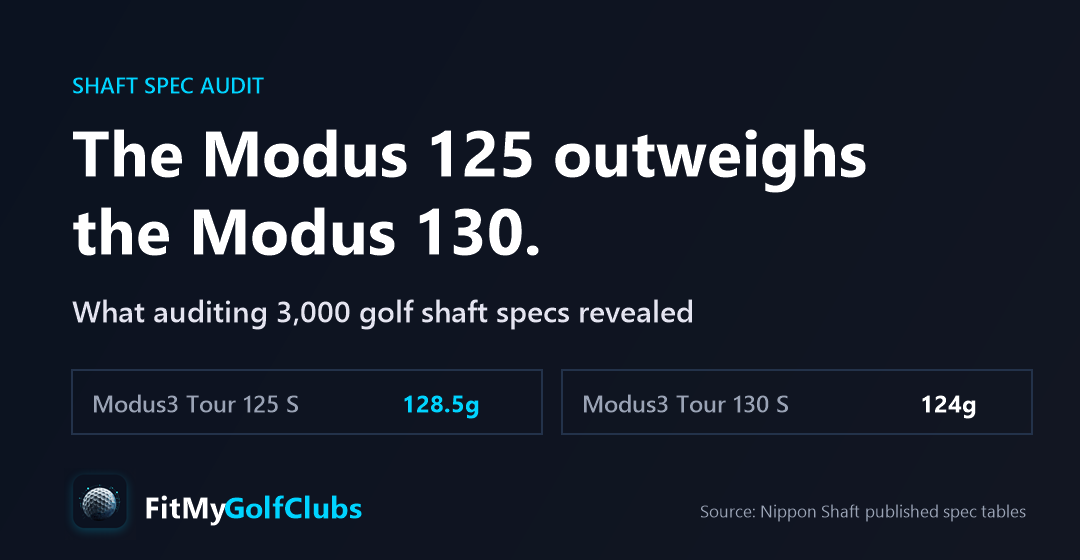
What Auditing 3,000 Golf Shaft Specs Taught Us About Weight
Business
+1
Technology

Golf Is Finally Getting Multiplayer Mode, Five Swings at a Time
Equipment
+2
Products
Technology

Golf's Next Computer Is 1.68 Inches Wide
Business
+2
Courses
Technology

The Golf Course Mechanic Is Becoming a Robotics Engineer

Business

LIV Golf Cancels Season Finale, Concerts Amid Operational Breakdown
Business
+1
Technology

Golf's Next Employee Might Just Be an AI Agent

Courses
+2
Tournaments
Podcast

Duff Foreman Could Make History as First Known AI Broadcast Personality to Join a Live Professional Golf Broadcast
Clubs
+2
Equipment
Technology

Golf's "Weirdest" Putters Are Winning the Engineering War

Business
+3
Products
Technology
Tournaments

ParTab Partners with iGolf to Bring Course Intelligence to the Games Golfers Actually Play
Business
+1
Technology

Golf AI Is Learning What Your Scorecard Can’t Tell You

Business
+1
Tournaments

iGolf Partners with Skins Golf to Power Its All-in-One Competitive Golf Platform
Business
+1
Tournaments

LIV Golf Cuts Prize Money Following Cancellation of Team Championship
Courses
+1
Tournaments

Carden Park Secures Women's PGA Cup Hosting Rights

Business
+2
Courses
Tournaments

LIV Golf's Season Finale Plans Scaled Back Amid Uncertainty