

Artificial intelligence can analyze a golf swing, crunch thousands of statistics and identify patterns that might otherwise take a coach hours to uncover. But golf presents a complication that most sports don't: The playing field changes every time you play.
A 160-yard approach at one course can be a completely different problem than a 160-yard approach somewhere else. Bunkers, water, elevation, green shape and surrounding terrain all influence the shot, while the golfer brings another variable entirely—their own distances, tendencies, strengths and misses. Understanding the player is only half the equation. To provide genuinely useful advice, technology increasingly needs to understand the course, too.
That's what makes a new partnership between iGolf and Potentially Golf more interesting than the typical golf-tech integration. Potentially Golf is building an AI-powered performance platform designed to connect what golfers do during a round with how they should practice afterward. By incorporating iGolf's global golf-course mapping and GPS data, the platform gains something increasingly valuable in the AI era: context.
Golf AI isn't just learning how golfers play. It's beginning to understand where they're playing, too.
Giving Golf Data a Sense of Place
Golf technology has become exceptionally good at collecting information. Launch monitors know what happened immediately after impact. Shot-tracking systems know where the ball finished. GPS devices understand distances and hazards, while performance apps can calculate Strokes Gained, chart club distances and preserve years of scoring history.
The problem is that much of this information has traditionally lived in separate buckets. A scorecard might reveal that a golfer made double bogey on the 12th hole, but the number alone doesn't explain why. Maybe the tee shot repeatedly finishes in a position that creates a difficult approach. Perhaps a bunker sits precisely where that player's normal iron dispersion tends to land. Or the golfer may simply be choosing a club or target that brings unnecessary trouble into play.
This is where detailed course intelligence changes the equation. Potentially Golf combines round statistics, player reflections and AI-powered analysis to identify improvement opportunities and recommend personalized practice. Adding iGolf's course mapping gives that information a geographic layer, allowing performance to be considered alongside the environment that produced it.
Instead of seeing golf as a spreadsheet of outcomes, software can begin examining the circumstances behind them.
The AI Coach Needs More Than Your Scorecard
Think about how a good human instructor evaluates a player's round. Knowing that a student hit six greens in regulation isn't particularly revealing by itself. A coach wants to know where the misses occurred, what clubs were involved, what trouble surrounded the targets and whether those lost strokes resulted from poor execution, questionable strategy or both.
AI needs much of the same context if it's going to move beyond generating attractive charts.
iGolf's underlying technology provides mapping and course intelligence across tens of thousands of golf courses worldwide, powering GPS devices, apps, rangefinders, golf cars, trolleys and other products. Connecting that geographic information with an AI improvement platform creates the possibility of post-round analysis that is considerably more nuanced than simply counting fairways and greens.
Imagine software recognizing that a golfer's scoring problem isn't poor iron play overall, but repeatedly leaving approach shots from uncomfortable yardages. It might identify that a player's typical miss becomes particularly expensive when greens are protected on one side, or discover that certain strategic decisions repeatedly turn manageable holes into bogeys.
Those patterns are difficult for recreational golfers to spot because they're rarely looking at months of rounds simultaneously. AI is exceptionally good at doing exactly that.
The technology could ultimately distinguish between a golfer who needs to make a better swing and one who simply needs to make a better decision.
From Measuring Golf to Understanding It
For much of the past two decades, golf's technology race centered on measurement. Companies competed to map more courses, calculate distances more accurately, capture increasingly detailed launch data and automatically record every shot.
Measurement isn't going away, but it's increasingly becoming the infrastructure beneath something more valuable: interpretation.
Most golfers don't need another dashboard filled with 40 statistics. They need technology capable of determining which three actually explain why they're shooting 87 instead of 82. That's where combining previously isolated datasets becomes powerful.
Course information provides one layer. Shot history adds another. Player reflections can contribute information sensors don't capture—confidence, intent, perceived mistakes or even what the golfer was trying to accomplish. AI can then search across those layers for relationships that might otherwise remain hidden.
The result isn't necessarily more information. Ideally, it's a better diagnosis.
That distinction becomes particularly important when the golfer leaves the course and heads to the practice range. Recreational golfers are notoriously good at practicing whatever they enjoy rather than whatever costs them strokes. A player might spend an hour pounding drivers even though driving isn't remotely the biggest weakness in their game.
A system that understands both performance and course context could make practice considerably more surgical. Rather than simply recommending "work on wedges," it might identify 60-to-80-yard approaches as a recurring problem because that distance repeatedly appears during the golfer's rounds. Instead of broadly suggesting bunker practice, it could identify the particular bunker distances or situations producing the most damage.
That transforms technology from something that documents golf into something capable of influencing what happens next.
Golf's Next Data Layer
The Potentially Golf and iGolf partnership is one example of a larger transition happening across golf technology. The golfer, swing, shot, course, outcome and subsequent practice session have traditionally generated separate pools of information. Artificial intelligence becomes far more useful when those pieces begin talking to one another.
That doesn't necessarily mean the future belongs to a virtual instructor barking swing changes through an earpiece. The more interesting possibility is quieter: software that understands enough about a golfer's tendencies and surroundings to identify the recurring decisions and weaknesses that actually influence scoring.
Golf has spent decades digitizing its courses and the past several years collecting increasingly sophisticated information about the people playing them. Connecting those two worlds could be the next important step.
Because once the technology understands both the golfer and the golf course, it can finally start understanding the game between them.

Golf AI Is Learning What Your Scorecard Can’t Tell You
Golf AI is connecting player performance with course intelligence, revealing not just where golfers lose strokes, but what they should practice next.

· 2 months ago
Related Articles
Business
+2
Courses
Technology

Golf's Next Country Club Might Be an App
Courses
+2
Equipment
Technology
The Entire Planet Is Becoming a Golf Simulator

Tournaments

2026 Solheim Cup Set for Bernardus Golf in the Netherlands
Business
+2
Products
Technology
Golf's Most Important Sensor May Be Hiding in the Grip

Equipment
+1
Products
FootJoy Lab Testing Links Proper Shoe Fit to Measurable Speed Gains
Business
+1
Technology
Golf Tech Is Starting to Measure the Shot Before You Swing

Clubs
+2
Equipment
Technology
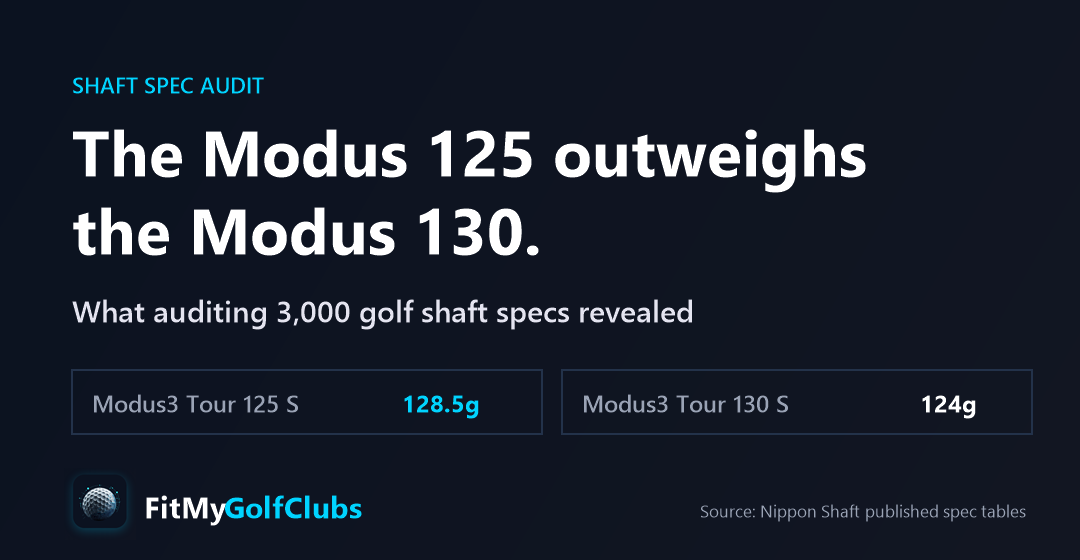
What Auditing 3,000 Golf Shaft Specs Taught Us About Weight
Business
+1
Technology
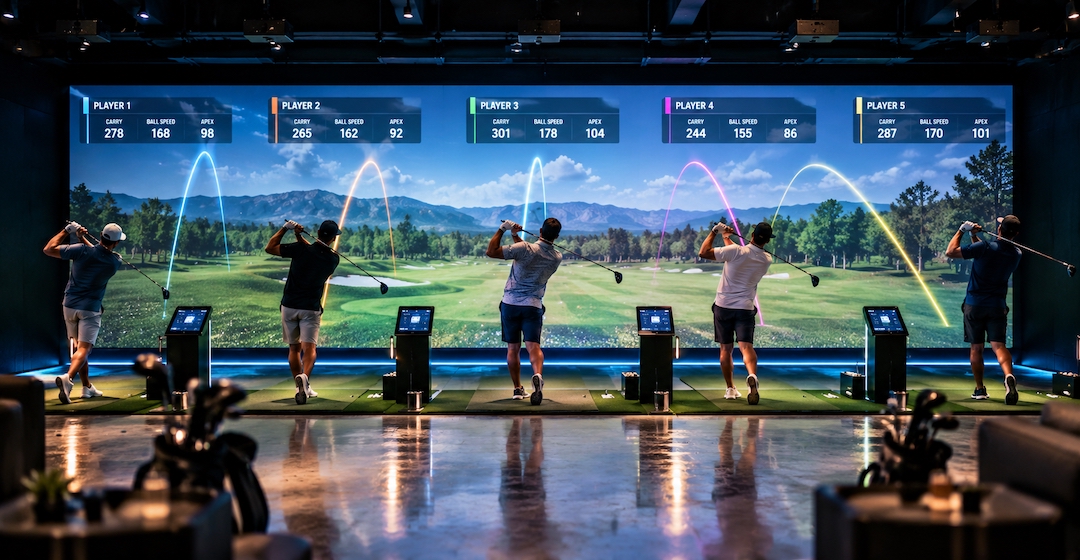
Golf Is Finally Getting Multiplayer Mode, Five Swings at a Time
Equipment
+2
Products
Technology
Golf's Next Computer Is 1.68 Inches Wide
Business
+2
Courses
Technology
The Golf Course Mechanic Is Becoming a Robotics Engineer

Business

LIV Golf Cancels Season Finale, Concerts Amid Operational Breakdown
Business
+1
Technology

Golf's Next Employee Might Just Be an AI Agent

Courses
+2
Tournaments
Podcast

Duff Foreman Could Make History as First Known AI Broadcast Personality to Join a Live Professional Golf Broadcast
Clubs
+2
Equipment
Technology

Golf's "Weirdest" Putters Are Winning the Engineering War

Business
+3
Products
Technology
Tournaments

ParTab Partners with iGolf to Bring Course Intelligence to the Games Golfers Actually Play
Business
+1
Technology
Golf AI Is Learning What Your Scorecard Can’t Tell You

Business
+1
Tournaments

iGolf Partners with Skins Golf to Power Its All-in-One Competitive Golf Platform
Business
+1
Tournaments

LIV Golf Cuts Prize Money Following Cancellation of Team Championship
Courses
+1
Tournaments

Carden Park Secures Women's PGA Cup Hosting Rights

Business
+2
Courses
Tournaments
LIV Golf's Season Finale Plans Scaled Back Amid Uncertainty