


Golf has spent the better part of two decades building increasingly elaborate machines to watch a little white ball.
Radar units track it through the air. High-speed cameras capture its first few inches of flight. Launch monitors calculate speed, spin and trajectory. Putting systems scrutinize what happens after a putter makes contact.
Millions of dollars of technology have been devoted to answering a deceptively simple question: What exactly did the golf ball just do?
Now engineers are trying something considerably more direct; they're putting the computer inside the ball.
CHIP'd Golf is currently taking orders for its next production run of smart golf balls, scheduled to ship in October. Inside each ball is the company's IntelliCore technology, a collection of electronics capable of measuring what happens during a putt and transmitting that information wirelessly to a smartphone.
Initial speed. Spin. Skid distance. True roll. Putt length. Make, miss or lip-out. No external camera watching the ball. No radar sitting behind it. The ball is doing the measuring itself.
It sounds slightly ridiculous until you realize that putting a sensor inside the most important object in golf could represent a fundamental change in how the sport collects data.
Stop Watching the Ball
Modern golf technology largely operates from the outside looking in.
A launch monitor observes the ball after impact and uses radar or cameras to reconstruct what happened. Shot-tracking systems determine where shots started and finished. Putting labs surround golfers with cameras and sensors sophisticated enough to make a six-footer feel like a NASA experiment.
Those systems can be extraordinarily accurate. But they all share the same basic architecture: put technology near the golf ball and observe it.
CHIP'd flips that relationship. Its putting-specific ball contains embedded electronics that measure motion from inside the object being studied. Hit a putt and the data streams through Bluetooth to an app, creating a record of not merely whether the ball went in, but how it traveled there.
That matters because putting contains a strange analytical blind spot.
Every golfer knows the outcome. You missed six inches right, but what you don't necessarily know is why.
Did the ball skid too long before achieving true roll? Was initial speed inconsistent? Did it leave the face with unexpected spin? Was that 10-footer fundamentally different from the previous five?
A sensor inside the ball suddenly has a front-row seat.
CHIP'd isn't pretending its current product is ready for Rory McIlroy to smash with a driver. The company explicitly describes it as a putting and training ball and warns that full-speed shots can damage the electronics. Its $399 package includes three balls and a year of app access.
This is early hardware; but early hardware is often where more interesting ideas begin.
The World's Smartest 1.68 Inches
Putting electronics inside a golf ball creates a spectacular engineering problem.
A regulation ball is only 1.68 inches in diameter. Golfers expect its weight, balance and behavior to be remarkably consistent. Whatever electronics engineers stuff inside can't make the thing wobble like a dog toy.
Then there's impact.
CHIP'd says developing its embedded technology required years of work involving sensors, antennas, power systems and manufacturing. The company's broader IntelliCore platform incorporates motion sensors, Bluetooth, GPS and a custom battery-and-antenna architecture—and CHIP'd isn't alone.
CYNC Labs, spun out of golf-ball maker OnCore this summer after roughly five years of development, is pursuing an even more ambitious version of the same idea. Its CYNC Ball uses gyroscopes, accelerometers and magnetometers to capture three-dimensional information about ball movement. The company's longer-term ambition is measurement extending from tee to green.
That's when this gets really interesting.
Imagine a golf ball that doesn't need a $20,000 launch monitor to tell you what happened to it. A ball that knows how fast it launched, how it spun, where it traveled and perhaps eventually where it finished.
The golf ball stops being something technology observes and becomes part of the technology itself.
The Sensor Keeps Moving Closer
There's a larger pattern here.
Sports technology has spent years moving sensors progressively closer to the action.
Cameras once watched athletes from across the room. Then sensors moved onto equipment. Wearables put them on wrists, shoes and bodies. Smart grips, connected clubs and instrumented bats moved them directly onto the tools athletes use.
The logical endpoint is putting intelligence inside the object actually moving through the game.
Golf is unusually suited to the experiment. The ball already occupies the center of every shot, and its behavior is the ultimate expression of everything that happened before impact: the swing, the clubface, the strike and the ground.
If embedded sensing eventually survives full-speed golf while maintaining the performance characteristics players demand, the implications extend well beyond another training gadget.
Coaches could receive data without building dedicated hitting bays. Practice facilities could become instrumented without installing tracking hardware at every station. Indoor golf could potentially know more about the physical ball without surrounding it with cameras. Golfers could carry sophisticated measurement technology in their pockets without carrying another device at all.
There are enormous hurdles between today's smart putting balls and that future. Durability matters. Battery life matters. Cost matters. Regulation matters. And a practice ball containing electronics is very different from a Tour-caliber ball that can withstand repeated driver impacts without compromising flight.
But technology has a habit of disappearing into the objects around us.
Phones swallowed cameras, maps and music players. Watches absorbed heart-rate monitors and GPS. Cars became rolling sensor arrays while still looking, mostly, like cars—and now golf technology may be approaching its own version of that transition.
For years, the smartest object on the practice range has been the expensive machine sitting behind the golfer.
Eventually, it might be the ball sitting on the ground.
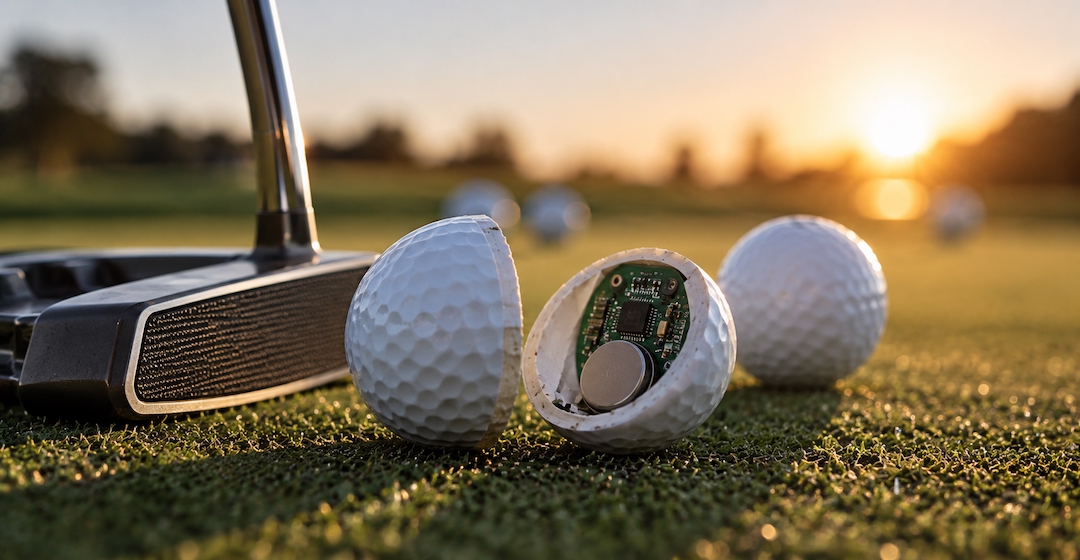
Golf's Next Computer Is 1.68 Inches Wide
Golf technology is moving inside the ball, turning the game's simplest object into a sensor that can measure speed, spin, skid and roll from within itself.

· 11 hours ago
Related Articles
Equipment
+2
Products
Technology
Golf's Next Computer Is 1.68 Inches Wide
Business
+2
Courses
Technology
The Golf Course Mechanic Is Becoming a Robotics Engineer

Business

LIV Golf Cancels Season Finale, Concerts Amid Operational Breakdown
Business
+1
Technology

Golf's Next Employee Might Just Be an AI Agent

Courses
+2
Tournaments
Podcast

Duff Foreman Could Make History as First Known AI Broadcast Personality to Join a Live Professional Golf Broadcast
Clubs
+2
Equipment
Technology

Golf's "Weirdest" Putters Are Winning the Engineering War

Business
+3
Products
Technology
Tournaments

ParTab Partners with iGolf to Bring Course Intelligence to the Games Golfers Actually Play
Business
+1
Technology

Golf AI Is Learning What Your Scorecard Can’t Tell You

Business
+1
Tournaments

iGolf Partners with Skins Golf to Power Its All-in-One Competitive Golf Platform
Business
+1
Tournaments

LIV Golf Cuts Prize Money Following Cancellation of Team Championship

Courses
+1
Tournaments

Carden Park Secures Women's PGA Cup Hosting Rights

Business
+2
Courses
Tournaments

LIV Golf's Season Finale Plans Scaled Back Amid Uncertainty
Equipment
TaylorMade Adds Hi-Toe 5 Wedge to Growing Wedge Portfolio
Business
+2
Products
Technology
Your Apple Watch Is Coming for Your Golf Watch
Business
+1
Tournaments

LIV Golf's Bedminster Event Draws Trump, Surfaces Mystery Investor

Equipment
+1
Products
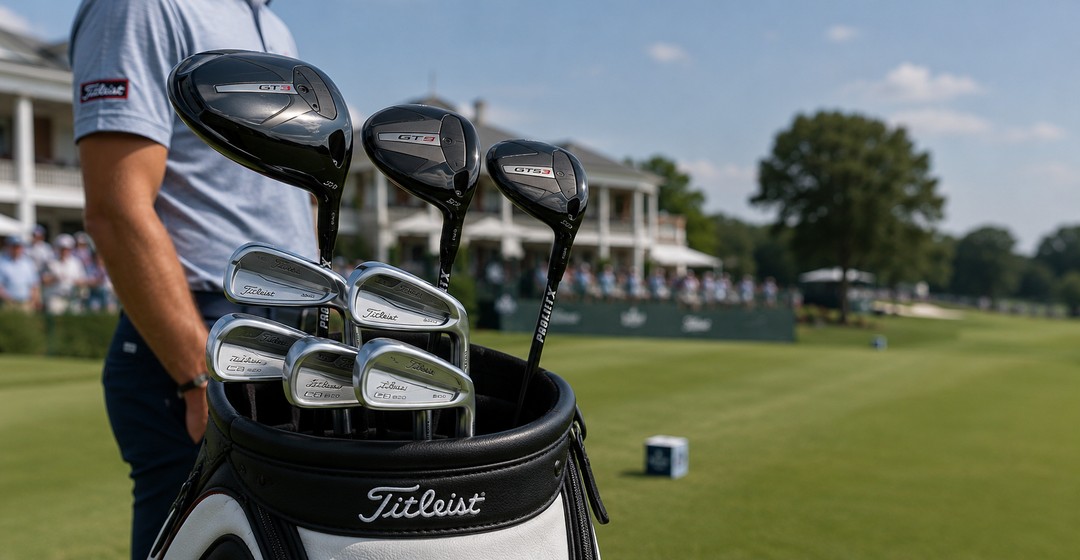
Titleist Equipment Wins 2026 Wyndham Championship with Michael Brennan
Business
+2
Equipment
Products
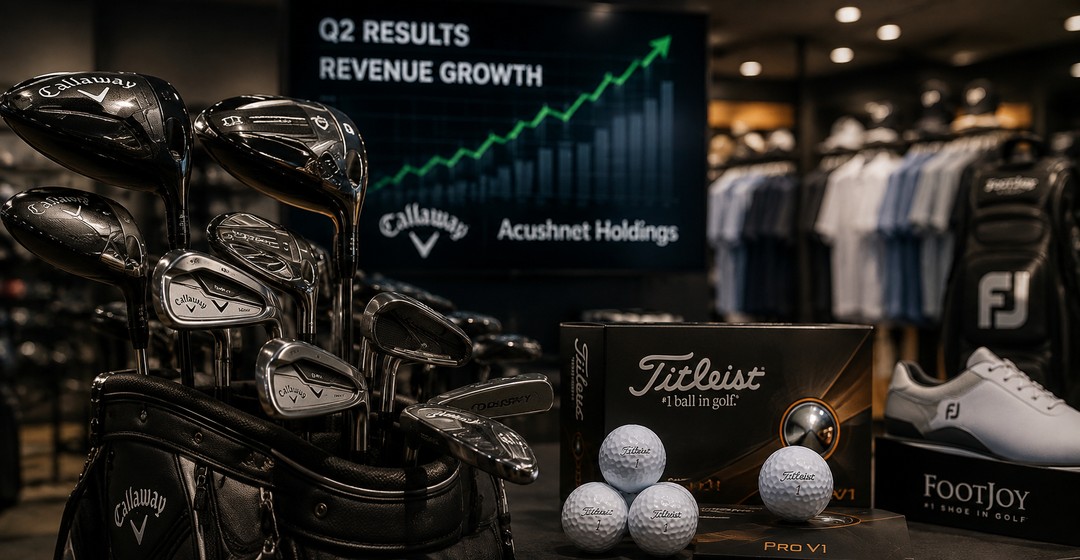
Callaway and Acushnet Report Q2 Revenue Gains Across Core Segments
Equipment
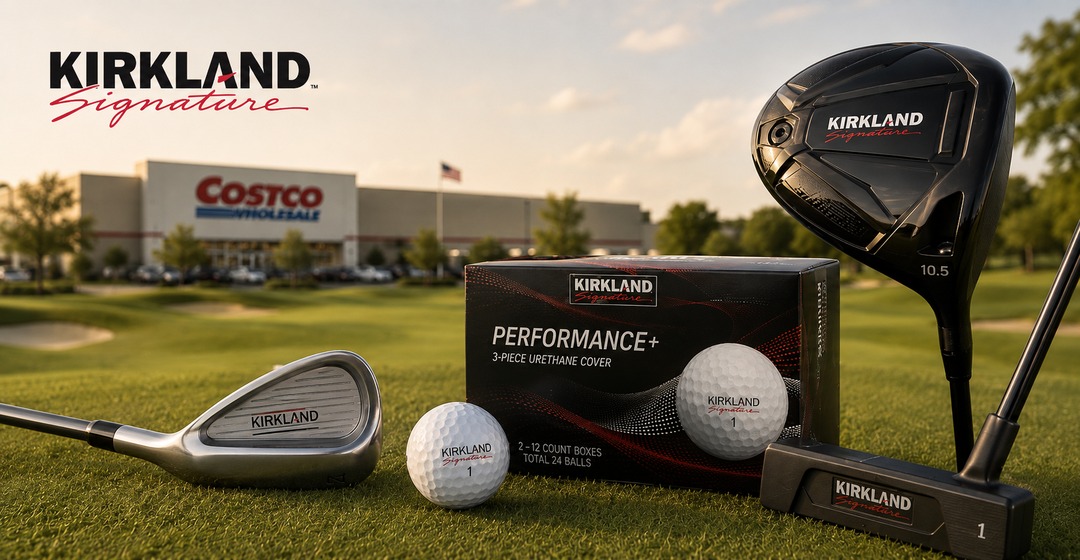
Kirkland Signature Golf Equipment Continues to Pressure Branded Club Manufacturers
Business
+1
Products

iGolf is excited to partner with ParTab
Equipment
+2
Products
Technology
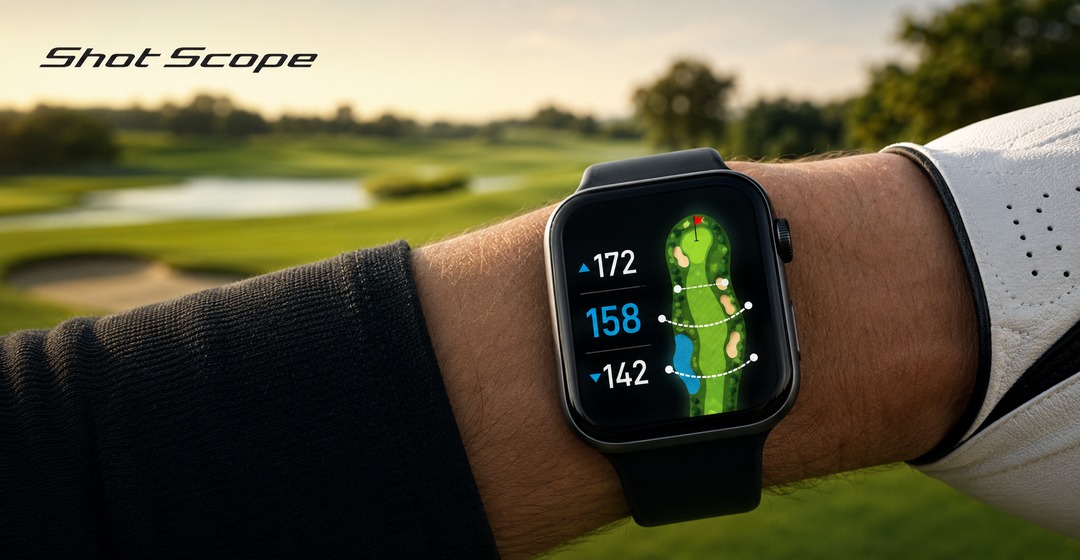
Shot Scope Launches Native GPS App for Apple Watch